

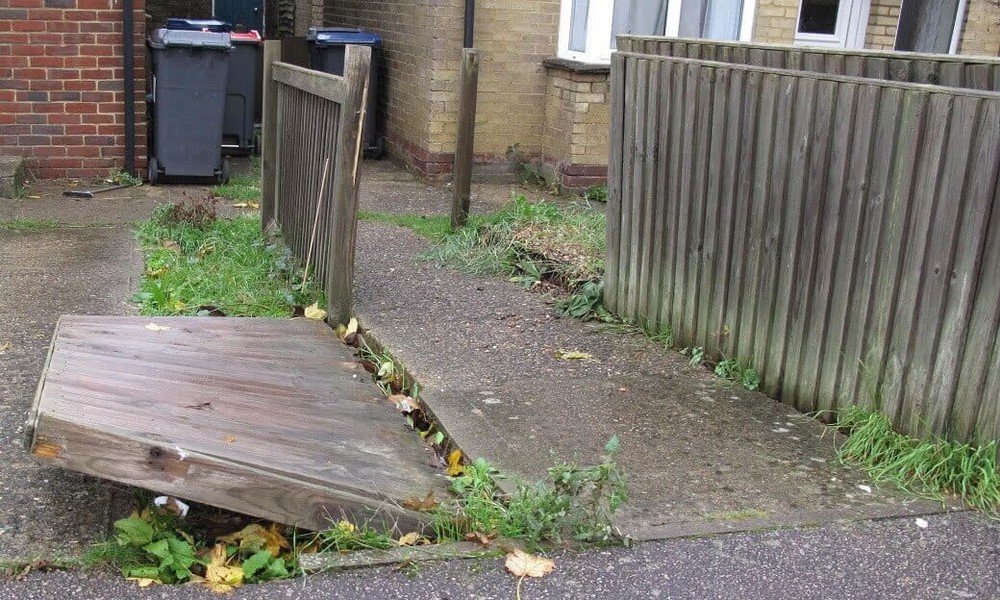
Every storm season follows the same pattern. The wind drops, the rain eases, and homeowners step outside to see what has shifted. Panels look crooked. Gates no longer close cleanly. Posts feel loose underhand. That is when people start searching for fencing companies near me, often hoping the damage is minor. Many begin by checking York Fencing to understand whether what they are seeing is storm damage alone or a sign that deeper issues were already in play.
From decades working as a fencing contractor across York, I can say storms rarely create problems from nothing. They expose weaknesses that were already there. Understanding those patterns helps homeowners decide whether repairs will hold or whether replacement is the more sensible route.
Why storms reveal problems rather than create them
One thing I see often on post storm inspections is that damage follows predictable lines. The same posts lean. The same sections fail. The same rails give way.
Storms apply sudden force. If a fence is sound, it usually survives. If it is already compromised by age, soil movement, or shallow installation, the storm finishes the job.
This is why two neighbouring fences can experience identical weather and perform very differently.
Leaning posts caused by saturated ground
Leaning posts are the most common issue after storm seasons. Prolonged rain saturates the ground. In York’s clay soil, this means softness that lasts for weeks.
Posts that were already borderline stable lose grip. Wind pressure pushes them off line. Once they move, they rarely return fully upright.
On new installs, I typically set posts around 600mm to 750mm deep to reduce this risk. On older fences, I often find posts set far shallower. Storms expose that shortcut quickly.
Panels coming loose rather than breaking
Another frequent issue is panels coming free without actually breaking. Fixings loosen over time. Rails soften. When gusts hit, panels lift or pop out of place.
Homeowners often assume the panel itself has failed. In reality, the support behind it was already weakened.
Replacing panels alone rarely solves the problem if the rails or posts are compromised.
Broken rails hidden behind intact panels
Rails do a lot of unseen work. They carry load between posts and absorb movement.
After storms, I often remove panels to find cracked or split rails behind them. The fence looks intact at a glance, but it has lost strength.
This hidden damage explains why fences feel loose even when nothing obvious has fallen.
Uneven movement along the fence line
Storm seasons highlight differences in ground conditions. One section of fence may sit on heavier clay. Another on made up ground.
When rain hits, these areas behave differently. Some posts move. Others stay put. The fence line ripples.
Homeowners often worry about workmanship. In reality, soil variation is usually the cause.
Gates dropping or scraping after high winds
Gates act like sails. They take the brunt of wind and transfer force into posts and hinges.
After storms, gates often scrape, stick, or fail to latch. Hinges loosen. Posts twist slightly.
Gate problems are rarely isolated. They usually indicate post movement that will affect nearby panels next.
Gravel boards shifting or lifting
Gravel boards can shift when posts move or when soil washes away during heavy rain.
Once a gravel board lifts or drops, panels lose support. Load distribution changes. Stress increases on fixings.
This small change often leads to bigger problems later if not corrected.
Why older fences suffer more storm damage
Age matters. Timber dries out. Fixings corrode. Posts rot slowly at ground level.
Storms exploit these weaknesses. A fence that coped for years may suddenly fail because it has reached the end of its working life.
Many homeowners realise this only after the first serious storm damage appears.
Poor drainage makes storm damage worse
Poor drainage keeps soil saturated long after rain stops. Posts remain unsupported. Concrete stays soft.
Older fences rarely include drainage considerations. Concrete poured straight into wet clay traps water around timber.
Improving drainage during replacement reduces storm damage significantly.
Solid panels and wind pressure
Solid panels catch wind. During storms, they act like sails.
Slatted or hit and miss designs allow airflow and reduce pressure. Fences built this way often survive storms better, even if the materials are similar.
This is why many homeowners change design after repeated storm issues.
Why emergency repairs often fail long term
Emergency repairs are rarely ideal. Ground conditions are poor. Time is limited. Materials may not match.
Posts reset in saturated soil often move again. Panels refixed to weak rails loosen.
Emergency work solves immediate safety concerns but rarely addresses long term stability.
When storm repairs still make sense
Repairs can work if damage is localised and the structure is otherwise sound. A single panel replacement. A hinge adjustment. A rail repair caught early.
Knowing when repairs will hold is important. Homeowners often review fence repairs information to decide whether repair is sensible or simply delaying replacement.
Repeated storm seasons shorten fence lifespan
Each storm season adds stress. Even if a fence survives, small movements accumulate.
Posts loosen slightly. Fixings weaken. Timber absorbs moisture. Over several harsh winters, fences fail sooner.
Homeowners notice that fences which once lasted decades now struggle to reach that age.
Planned replacement after storm damage
Storm damage often prompts homeowners to rethink their approach. Rather than repairing again, they plan replacement under better conditions.
Planned work allows deeper posts, better drainage, stronger fixings, and design changes that reduce future storm impact.
This proactive approach contrasts sharply with reactive repairs.
Material choices that cope better with storms
Material choice matters. Pressure treated timber resists moisture better. Concrete posts do not rot. Composite panels do not absorb water.
Composite fencing cost can look high initially, but its performance during storms often justifies the investment, especially in exposed gardens.
Choosing materials suited to local conditions reduces storm related issues.
Post spacing and storm resilience
Incorrect post spacing increases panel flex. During storms, this leads to rail failure and fixings pulling out.
Correct spacing spreads load evenly and reduces failure risk. This detail often only becomes visible during high winds.
Modern designs shaped by storm experience
Modern fencing designs increasingly account for wind and rain. Slatted panels. Stepped heights. Shorter solid runs.
These designs work with the weather rather than fighting it. They reduce stress on posts and rails.
Homeowners exploring garden fencing now often choose designs specifically for storm resilience.
What storm damage is really telling you
Storm damage is not random. It shows where a fence is weakest. It highlights soil issues, installation shortcuts, and ageing materials.
Ignoring those signals leads to repeat problems.
How recognising patterns leads to better decisions
Understanding common storm related fence problems helps homeowners make informed choices. They know when repairs will hold and when replacement makes more sense.
From decades working across York, it is clear that storm seasons do not destroy fences by chance. They expose existing weaknesses. Homeowners who address root causes rather than symptoms end up with fences that stand straighter, last longer, and cope far better with whatever the next storm season brings.