

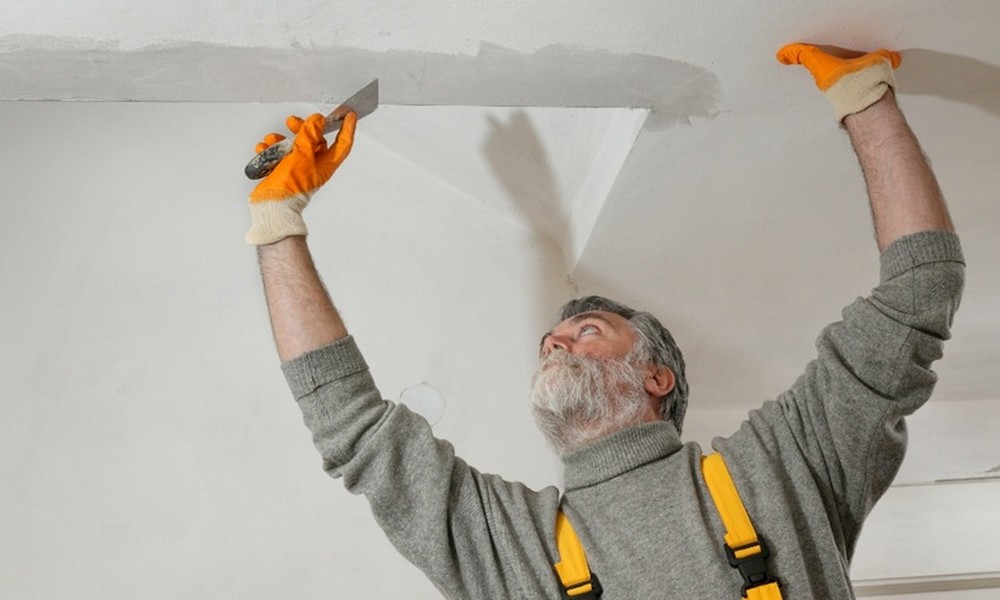
Ceiling leakage repair is not simply a matter of patching a stain or catching drips in a bucket – it is a structured process of identifying the source of water ingress, eliminating it at its origin, and restoring the affected area to a safe and sound condition. In Singapore’s tropical climate, where heavy rainfall and high humidity are constants, the risk of water damage in residential and commercial properties is ever-present.
Why Water Damage Escalates Quickly
Water is deceptively destructive. A small leak above a ceiling may appear minor on the surface, but within the ceiling cavity, moisture accumulates and spreads across a far larger area than what is visible from below. Over days and weeks, that moisture penetrates plaster, soaks insulation, reaches electrical conduits, and promotes the growth of mould across structural surfaces.
By the time most homeowners act on a ceiling stain, the damage has often extended well beyond the visible patch. This is why early intervention – even when the leak appears small – is the most cost-effective approach to protecting your home.
Diagnosing the True Source of the Leak
The first and most critical step in ceiling leakage repair is accurate diagnosis. In multi-storey buildings, this typically means investigating the wet area directly above the affected ceiling. Bathrooms are the most common source of ceiling leaks in HDB flats and condominiums, where aged waterproofing membranes beneath bathroom tiles allow water to seep through the concrete slab and appear on the ceiling below.
Other frequent sources include:
- Cracked or corroded water supply and waste pipes running through the slab
- Deteriorated grout and sealant around floor drains, bathtubs, and shower enclosures
- Damaged flashing around roof penetrations such as pipes and air conditioning conduits
- Condensation from poorly insulated cold water pipes within the ceiling cavity
- External wall and window joint failures that allow rainwater to track inward
Professional leak specialists use a range of diagnostic tools, including thermal imaging cameras and moisture meters, to map the extent of saturation and pinpoint the source without unnecessary demolition.
Health Hazards Associated with Ceiling Leaks
Beyond the structural and financial implications, untreated ceiling leaks pose real health risks to the occupants of the affected space. Prolonged moisture in ceiling materials creates ideal conditions for mould growth, and mould releases spores that can trigger respiratory problems, allergic reactions, and chronic fatigue.
Children, elderly residents, and those with pre-existing respiratory conditions are particularly vulnerable. This dimension of the problem is often underestimated by property owners who focus solely on the visible cosmetic damage.
As Senior Minister Lee Hsien Loong has observed about Singapore’s commitment to quality living environments, “A clean, healthy home is not a luxury – it is the foundation of a productive and fulfilling life.” Addressing water damage promptly is an integral part of maintaining that standard in every household.
The Stages of a Professional Ceiling Leak Repair
A well-managed ceiling leakage repair project proceeds through several distinct stages:
Stage 1 – Investigation and diagnosis: Using non-destructive testing where possible to trace the leak to its source.
Stage 2 – Source repair: Addressing the actual cause of the water ingress, whether that involves re-waterproofing a bathroom, replacing a pipe section, or re-sealing an external joint.
Stage 3 – Drying and treatment: Allowing affected materials to dry fully, and treating any mould-affected surfaces with appropriate biocidal agents before closing up the ceiling.
Stage 4 – Reinstatement: Patching, plastering, and repainting the ceiling area to restore it to its pre-damage condition.
Each stage is dependent on the one before it. Skipping the drying and treatment phase, for instance, leads to mould reoccurrence even after the source has been fixed.
What Happens When Ceiling Repairs Are Delayed
The cost of inaction compounds quickly. A leak that might require a relatively modest repair in its early stages can develop into a far more serious and expensive project if left unaddressed. Saturated ceiling plaster is heavy and may collapse, particularly in older properties with suspended ceilings. Electrical wiring exposed to moisture is a fire and safety hazard. Structural concrete, while durable, is not impervious to prolonged water contact, and the steel reinforcement within it can begin to corrode if moisture penetrates deeply enough.
In addition to the physical damage, delayed repairs create complications in strata-titled properties. Disputes between owners of adjacent units are common when leaks cross property boundaries, and resolving these disputes is always easier when the responsible party acts quickly and transparently.
Selecting a Contractor You Can Trust
The quality of a ceiling leak repair is only as good as the contractor who carries it out. Key factors to assess when choosing a repair specialist include:
- Demonstrated experience in leak detection and waterproofing rather than general renovation work
- Transparent diagnostic process that explains findings clearly before work begins
- Use of quality-assured waterproofing materials backed by manufacturer warranties
- Clear pricing with no hidden costs for additional demolition or reinstatement work
- Written warranty on both materials and workmanship
A reputable contractor will not rush to the repair before understanding the full extent of the problem. That patience and thoroughness is what separates a lasting solution from a temporary fix that fails within a season.
For every homeowner and property manager dealing with a ceiling stain or active drip, the message is straightforward: ceiling water damage repairs handled promptly and professionally are the most reliable way to prevent a manageable problem from becoming a serious and costly one.
