

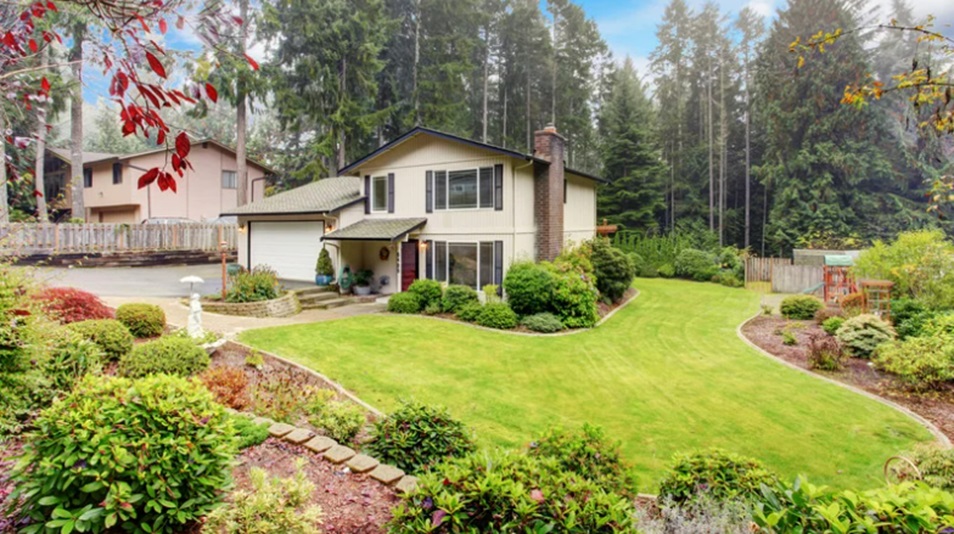
Successful landscape design is more than just curb appeal; it’s the artful balance of beauty and usability. From outdoor patios to garden walkways, every element in a landscape serves a dual purpose, pleasing the eye while supporting everyday outdoor living. When working with a landscaping designer in Lawrenceville, homeowners gain access to both artistic vision and practical expertise, ensuring spaces are thoughtfully planned and visually compelling. This blend of creativity and structure defines great landscape design. A well-designed yard not only elevates a property’s value but also maximizes its utility.
Understanding Functional Landscape Design
Functionality in landscaping means creating outdoor environments that support a homeowner’s lifestyle. Whether it’s ensuring proper drainage, organizing entertainment spaces, or allowing for smooth foot traffic, these design elements must be carefully considered.
A good landscape designer evaluates the terrain, existing structures, and how the space will be used before any aesthetic decisions are made. Key elements like walkways, seating zones, lighting, and shade are strategically positioned to improve usability while blending seamlessly into the landscape.
Aesthetic Choices That Work in Harmony
Once the foundation of function is laid, visual styling takes center stage. This is where textures, colors, shapes, and materials come into play. Designers use contrast and harmony to guide the eye and evoke desired emotions.
For example, softscape elements like flowering plants and ornamental grasses can be paired with clean hardscape lines for a balanced look. Color schemes often follow seasonal rhythms, ensuring that the property feels alive throughout the year.
Professionals carefully layer these elements using principles of scale, proportion, and symmetry to achieve a polished outcome. In fact, the way a designer’s process for perfect landscapes is executed often determines whether a space feels natural or forced.
Integrating Natural Elements with Purpose
Today’s landscape designers emphasize sustainability and environmental harmony. Native plants are preferred not only for their adaptability but also for reduced maintenance and watering needs. Permeable surfaces, rain gardens, and efficient irrigation systems are often incorporated to enhance eco-friendliness.
Strategic plant placement can also aid in energy conservation, trees for shade, shrubs for windbreaks, and vines for vertical coverage. These techniques do not compromise on aesthetics but instead reinforce them with a layered purpose.
The Value of Hiring a Professional Designer
While many aspects of landscaping may seem straightforward, the integration of form and function requires the precision and creativity of a trained designer. A landscaping designer brings more than just technical knowledge; they offer the ability to reimagine outdoor spaces and bring those ideas to life in a way that is both beautiful and usable. By relying on a structured yet creative process, designers are able to offer not just appealing concepts but also outdoor environments that serve real, everyday needs.
Conclusion
Great landscape design is not just about what looks good; it’s about what works. From optimizing traffic flow to highlighting key features, every detail contributes to the overall success of a landscape. Through thoughtful planning and expert execution, professional designers ensure that aesthetics and functionality are never at odds but instead work together in perfect harmony. For those looking to enhance both the beauty and livability of their outdoor space, investing in a skilled landscaping designer can make all the difference.
