

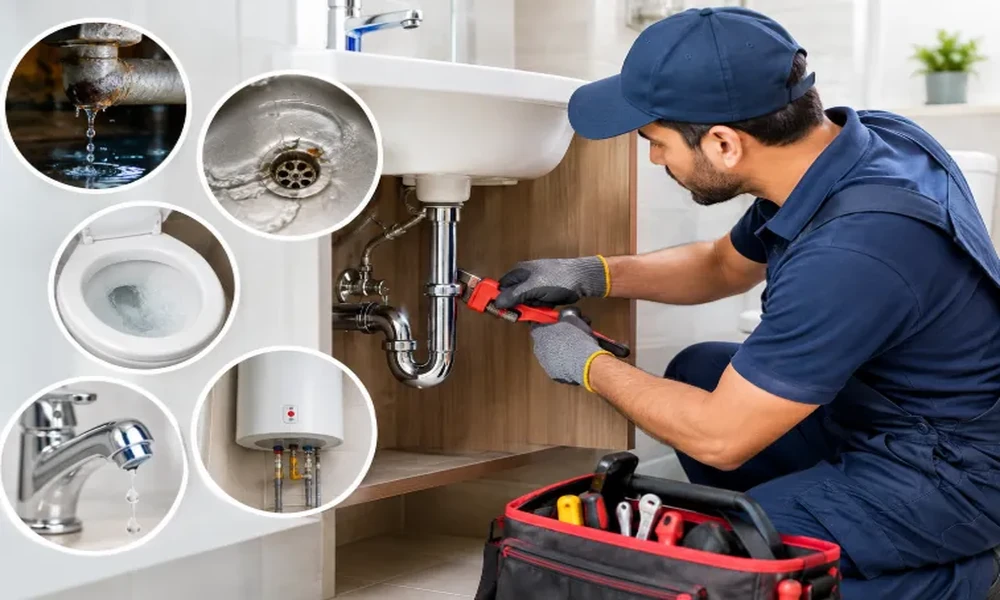
A home can appear perfectly fine while water escapes beneath the floor, a drain gradually narrows, or a wastewater pump struggles to keep up. For homeowners looking for a plumber in Freeport, understanding these less obvious problems is a useful starting point. The local environment, construction methods, and age of a property all influence how plumbing systems behave, and recognizing early warning signs can help prevent a minor fault from becoming a major disruption.
When the Floor Tells a Different Story
In newer homes built on concrete slabs, much of the plumbing supply network sits beneath the floor. This arrangement saves space and keeps pipes out of sight, but it also makes certain leaks difficult to locate. A damaged line may release water into the surrounding soil without producing an obvious puddle indoors.
Instead, the first indication might be an unusually high water bill, a warm patch on the flooring, persistent dampness, or the faint sound of running water when every tap is closed. None of these signs proves that a pipe beneath the slab has failed, but together they justify further investigation.
The important distinction is between finding evidence of moisture and identifying its source. Water may travel along the underside of a slab before appearing somewhere away from the actual leak. Opening the floor at the first damp spot can therefore lead to unnecessary damage.
Professional leak detection can help narrow the search before invasive repairs begin. Depending on the pipework and circumstances, a technician may use acoustic equipment, pressure testing, or electronic locating methods to identify the likely fault. Once the source is established, the repair can be planned around the actual problem rather than guesswork.
The Warning Light That Deserves Immediate Attention
Some homes around Freeport rely on individual grinder pumps because conventional gravity sewer connections are not practical for their location. These pumps reduce wastewater into smaller particles and move it through a pressurized sewer line.
Most residents rarely think about this equipment until an alarm activates. A red warning light or audible alarm commonly indicates that the wastewater level has risen beyond its normal operating range. The cause could involve a pump failure, a power interruption, a blocked discharge line, or wastewater entering the tank faster than it can be removed.
The first response matters. Avoid running showers, washing machines, dishwashers, and other water-using appliances until the situation has been assessed. Reducing the amount of wastewater entering the system helps limit the risk of an overflow.
Do not open the pump tank or attempt electrical repairs yourself. Wastewater equipment can expose people to hazardous gases, contaminated water, and electrical risks. If sewage is backing up indoors, keep people away from the affected area and arrange urgent professional assistance.
A grinder pump alarm is also a reason to review maintenance history. If a unit repeatedly struggles, a technician may need to investigate the underlying cause rather than simply reset the alarm. Repeated warnings are information about the system, not an inconvenience to ignore.
Why Water Heaters Rarely Fail Without Clues
Water heaters often receive little attention while producing reliable hot water. That can change quickly when the tank begins leaking, the temperature fluctuates, or unusual noises develop.
A small amount of water around the unit should not automatically be dismissed as harmless condensation. It could come from a loose connection, a leaking valve, or a failing tank. The location and frequency of the moisture help determine the likely source.
Other symptoms offer useful clues. Rumbling or popping sounds may result from sediment collecting inside a storage tank. Inconsistent hot water can indicate a heating element problem, thermostat fault, undersized equipment, or a demand that exceeds the heater’s capacity. A sudden increase in energy consumption may also justify an inspection.
Age matters, but it should not be the only consideration when deciding whether to repair or replace a unit. The condition of the tank, availability of replacement parts, repair costs, household demand, and expected remaining service life all influence the decision.
If water is actively leaking, shut off the water supply to the heater when it is safe to do so. Follow the manufacturer’s instructions for the appliance’s energy source, and avoid handling electrical connections or gas components. A leaking tank generally requires replacement, whereas a failed external fitting may be repairable.
Drainage Problems Are Often Cumulative
A drain that empties slowly rarely becomes obstructed in a single moment. Grease, soap residue, hair, food particles, and other debris can accumulate gradually along the pipe walls. Eventually, water begins to drain more slowly, odors appear, or wastewater returns through a fixture.
The location of the symptoms provides a useful first clue. One slow bathroom sink may have a localized blockage. Several fixtures draining poorly at the same time can point toward a larger branch drain or sewer line problem.
Chemical drain cleaners are not a universal solution. Some products can damage vulnerable materials, create hazardous splashes, or complicate subsequent repair work. Repeatedly pouring chemicals into a drain without identifying the obstruction can also delay the appropriate treatment.
Mechanical drain cleaning may resolve a localized blockage. More persistent problems can require a camera inspection to identify scale, root intrusion, damaged pipe sections, or other structural issues. Hydro jetting may help remove substantial buildup when the pipe condition and material make that approach suitable.
The goal should be to restore drainage while understanding why the blockage developed. A line that repeatedly clogs may need more than another quick clearing.
Small Leaks Have a Way of Becoming Large Repairs
A dripping faucet may seem insignificant, particularly when the water disappears straight into a sink. Leaks inside cabinets, behind walls, or around toilets can be more consequential because the damage remains hidden.
Check the areas beneath sinks, around supply connections, behind toilets, and near water heaters periodically. Look for swelling in cabinet panels, discoloration, peeling paint, musty odors, or flooring that feels soft underfoot.
Monitoring the water meter can provide another useful check. Turn off water-using fixtures and appliances, then observe whether the meter continues to register flow. Automatic appliances and irrigation systems can complicate the test, so isolate those sources where appropriate. Continued movement may indicate a leak somewhere in the system.
Homeowners can use Penn State Extension’s water conservation guidance to learn how to identify common household leaks, check water meters for unexplained flow, and reduce water waste through timely plumbing repairs.
Where a leak is confirmed, prompt repairs can reduce wasted water and limit the possibility of damage to flooring, cabinetry, insulation, and wall finishes.
Maintenance Makes More Sense Than Guesswork
Plumbing maintenance does not require dismantling a home’s water system or scheduling repairs for equipment that remains in good condition. It means establishing a baseline, noticing changes, and investigating symptoms before they become emergencies.
An annual inspection can provide an opportunity to examine visible supply lines, fixture connections, shutoff valves, water heater fittings, drainage performance, and other accessible components. Homes with grinder pumps, older drain lines, or a history of slab leaks may need additional attention based on their specific equipment and previous problems.
Property owners should also know where the main water shutoff is located. In a burst pipe or rapidly developing leak, being able to stop the water supply can significantly reduce damage. Test accessible shutoff valves periodically, but do not force a corroded or seized valve that could break.
For landlords and owners of second homes, maintenance records are especially valuable. Notes about previous repairs, recurring alarms, unusual water bills, and equipment replacements help technicians identify patterns that might otherwise go unnoticed.
A Better Repair Starts With a Better Diagnosis
The most useful plumbing visit begins with evidence. When a technician establishes whether a problem involves the water supply, drainage, sewer equipment, or a fixture, the available repair options become clearer. That process also helps distinguish a component that needs adjustment or repair from one that has reached the end of its useful life.
Merckle Plumbing, based in Freeport, Florida, handles residential and commercial plumbing work, including leak detection, drain cleaning, sewer repairs, water heater services, and repiping. The company also works on grinder pump related issues and serves properties across its surrounding service area. Its approach emphasizes diagnosing the fault before presenting repair or replacement options, allowing property owners to understand the findings before deciding how to proceed.
For homeowners, the practical lesson is straightforward. Pay attention to changes in water use, drainage, temperature, and equipment alarms. Record recurring symptoms instead of treating each occurrence as an isolated inconvenience. When a problem needs professional attention, a clear description of what happened and when it started can help narrow the diagnosis.
Plumbing systems are largely invisible when they work properly. That is precisely why the earliest clues deserve attention. A little investigation at the right time can protect the parts of a home that are hardest to access and most expensive to restore.
