


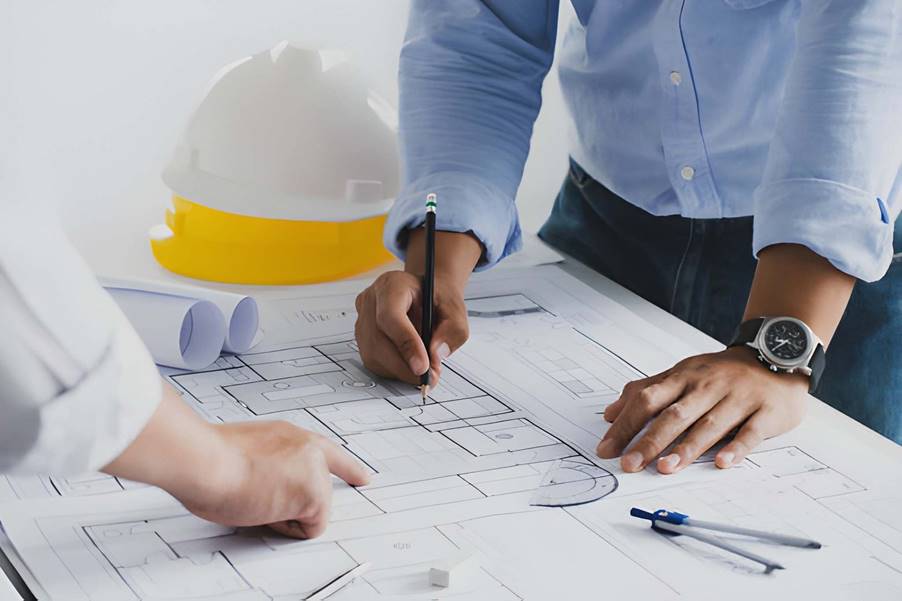
I remember the first time I heard the term “as-built drawings,” I honestly thought it meant like, you know, fancy design sketches architects make before construction. But no, it turns out it is almost the opposite. It is more like a record of reality. What actually got built. Not the dream version. The real one. Pipes that shifted slightly, walls moved a few inches, and beams were installed differently because something unexpected showed up on site.
And that makes sense because construction is messy. Things rarely go exactly as planned. Workers adjust. Engineers improvise. Someone discovers a hidden column or weird wiring. So, these drawings become this honest, final snapshot, like a building’s diary entry after everything settles down.
Why People Keep Talking About Them
I once stumbled across info about as-built drawings in Philadelphia, and it mentioned a company called Precision Property Measurements. What stuck with me was how they describe the process, not just measuring walls, but documenting everything carefully, almost like forensic work.
They capture exact dimensions, locations of utilities, structural changes, all those tiny details that matter later. Because if someone renovates years later, they need to know the truth about what is behind the walls. Not guesses, not outdated plans. The real conditions.
What Exactly Do As-Built Drawings Include?
OK, this part gets technical, but to some extent quite fascinating too:
Accurate dimensions
- Real measurements after construction finishes.
- Not the original plan estimates.
Location of systems
- Electrical wiring routes.
- Plumbing lines.
- HVAC placement.
Structural changes
- Walls added, removed, or shifted.
- Beam or column adjustments.
Material updates
- What was actually used vs planned.
Basically, they tell the full story of what ended up existing physically.
Why They Matter More Than People Realize
At first, I thought, well, they are just records, those boring paperwork stuff. But then I realized they are actually super important. Imagine trying to renovate a building without knowing where the pipes run. Or drilling into a wall and hitting electrical wiring. Nightmare scenario.
They help with:
- Future remodeling projects.
- Facility maintenance.
- Safety planning.
- Legal documentation.
And honestly, they save time, money, and a lot of both.
The Human Side of It
What surprised me is how much fieldwork goes into making these drawings. People physically walking through buildings with measuring tools, laser scanners sometimes, documenting every corner. It reminds me of someone mapping a maze, careful, patient, detail-focused.
I can almost imagine the sounds footsteps echoing in empty hallways, measuring tapes snapping back, someone scribbling notes quickly. It feels less like drawing and more like detective work, which is quiet observation.
Final Thought
I guess as-built drawings are almost like memory. Buildings have memories too, where there are changes, adjustments, and unexpected moments during construction, and these drawings preserve all that.
They don’t show what was planned. They show what actually happened. And there is something oddly comforting about that, which is like seeing the honest version of a story instead of the perfect one.
