

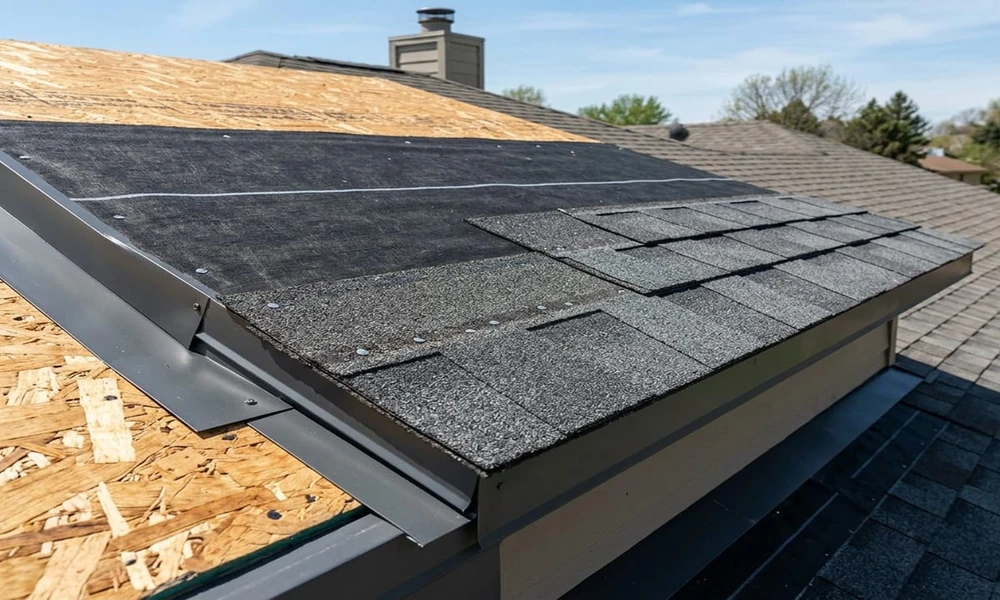
Climb into the attic of an older house and you may find several roofs on top of each other. Decades ago it was common to nail a fresh course of shingles straight over the old one. It saved a day of labor and a trip to the dump. Sometimes it happened again twenty years later, so the house ended up with two or even three roofs.
That shortcut causes problems later, and homeowners usually find out when it is time to reroof. A new roof works only as well as what’s under it. That’s why roofers such as Marvin Roofing Services make tearing off multiple shingle layers a regular part of a full replacement and don’t treat it as an optional extra. To decide well, it helps to know why those buried layers matter.
The industry’s own guidance is clear on this. A technical bulletin from the Asphalt Roofing Manufacturers Association notes that most building codes allow no more than two roof coverings. Once a house has two layers, the old material generally has to come off before anything new goes on. The bulletin also says rotted decking, sagging ridgelines and badly distorted shingles are reasons to strip the roof, even when there’s only one layer.
The Weight Nobody Sees
A square of architectural asphalt shingles (enough to cover 100 square feet) can weigh well over 200 pounds. Multiply that across a typical roof and one layer adds several tons. A second or third layer doubles or triples that load on rafters and trusses that may have been sized decades ago for a single layer.
In places with heavy winter snow, the extra weight adds up fast. Wet, packed snow adds its own load on top of the shingles. Framing that has carried an overlaid roof for years may already show slight dips between rafters. You can sometimes spot it from the street on a sunny afternoon, when the roofline looks wavy and not crisp. That waviness is the house telling you it’s carrying too much.
Heat Gets Trapped Between the Layers
Shingles are designed to shed heat into the attic space below and the air above. When a new layer sits on an old one, the heat has nowhere to go. The trapped heat speeds up granule loss and makes the asphalt brittle sooner.
The effect is strongest in sunny, high-altitude climates. Thin air at elevation lets more ultraviolet light through, and summer roof surfaces get very hot. An overlaid roof in those conditions often wears out years before its rated lifespan. Homeowners end up paying for the shortcut twice: once when the second layer was added and again when it fails early.
What a Tear-Off Actually Reveals
Stripping a roof down to bare wood is the only way to see what condition the deck is really in. Roofers often uncover the following once the old layers are gone.
Soft or rotted sheathing. Small leaks that never showed up on a ceiling can still soak into plywood or plank decking for years. Rot spreads quietly around chimneys, vent pipes and valleys. Nailing new shingles into weak wood means the fasteners won’t hold.
Old flashing that was never replaced. Overlays usually leave the original metal flashing in place, sometimes with roofing cement smeared over the gaps. Flashing around chimneys, skylights and wall junctions is where most leaks start. A tear-off lets the crew replace it with fresh metal.
Missing underlayment and ice protection. Many older roofs went on with thin felt paper and no ice barrier along the eaves. Modern installs use synthetic underlayment and a self-adhering membrane at the edges. That membrane is what stops ice dams from pushing water under the shingles.
Gaps in plank decking. Older homes often have board decking with spaces between the boards. Those gaps can make new shingles sag or buckle. Covering them with a layer of plywood gives the new roof a flat, solid base.
Warranties Depend on What Lies Beneath
Shingle manufacturers write their warranties around a proper install. Many reduce or deny coverage when shingles go on over an existing layer. If the new roof fails early and the manufacturer finds the old layers underneath, a claim may go nowhere.
Workmanship warranties from roofers work much the same way. A crew can’t vouch for a deck it never inspected. A clean tear-off gives everyone a known starting point, so the guarantee actually means something.
Leaks Become Harder to Trace
On a single-layer roof, a leak usually shows up close to where the water gets in. With two or three layers, water can run sideways between the old and new shingles for several feet before it finds a seam to drip through. The stain on your bedroom ceiling might be nowhere near the actual entry point.
That makes repairs slower and less certain. Patches miss the real problem, and moisture keeps sitting in the gaps between layers. Over time that hidden dampness feeds mold and softens the decking, which brings things back to the rot problem described above.
When One Layer Over Another Might Be Acceptable
Overlays aren’t always a mistake. When a house has just one layer of flat shingles, the decking is solid, and there are no leaks, a second layer can be a reasonable budget choice where local code allows it. The old layer can even act as a backup barrier.
Still, it’s a narrow window. The shingles need to lie flat enough that the new ones won’t telegraph bumps and curls. The attic needs good ventilation so heat doesn’t build up. And the homeowner has to accept that the next roofer will face a bigger, more expensive tear-off down the road. Most people who plan to stay in a home for many years find that paying for removal now costs less overall.
Reading Your Own Roof From the Ground
You don’t need a ladder to get a rough idea of what’s up there. Look at the edge of the roof where the shingles overhang the gutter. A thick stack of shingle edges, sometimes visible as two or three distinct lines, is a clear sign of layering. Drip edge metal that looks buried or bent outward is another clue.
Inside the attic, use a flashlight to look up at the underside of the decking. Dark stains, nail tips with rust halos, or daylight showing through boards all point to problems that only a tear-off can fix properly. Note what you see and share it with whoever inspects the roof.
Planning for the Day the Old Roof Comes Off
A full tear-off is a noisy, messy process, but a good crew moves fast. Most residential roofs are stripped and dried in within a day or two, weather permitting. Tarps protect landscaping, magnetic sweepers pick up stray nails, and a roll-off container hauls away the debris.
The best time to schedule it is during a stretch of dry, mild weather, before winter snow or summer storms arrive. Ask your roofer how they’ll handle any rotted decking they find, since that’s the one cost that can’t be quoted for certain until the old shingles are gone. Budgeting a little extra for it means you won’t be caught off guard and the new roof gets the solid base it needs.
