

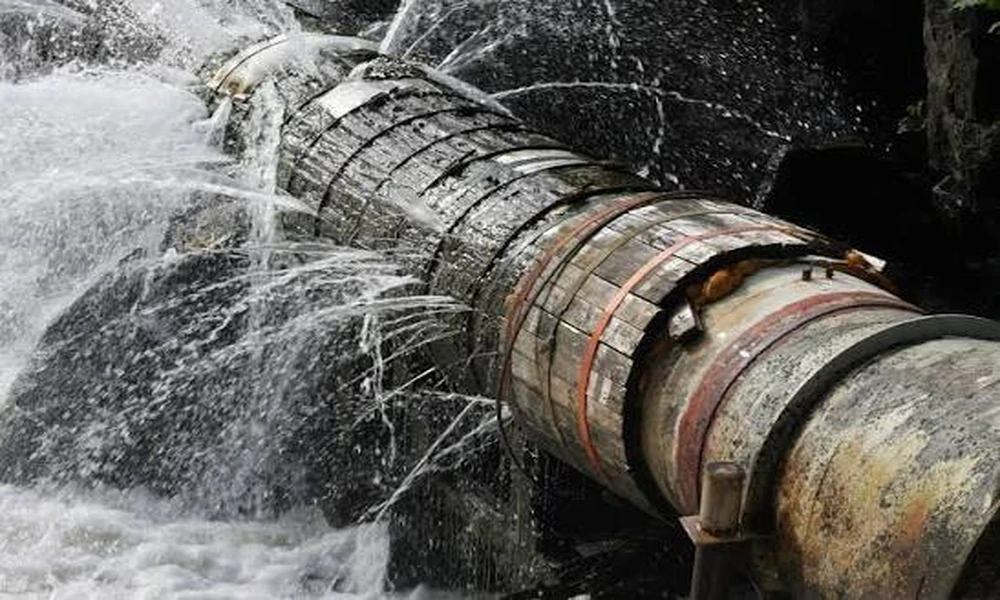
A sewer line can work reliably for decades before developing a problem that disrupts an entire household. One day, wastewater flows normally through the plumbing system. Weeks or months later, recurring blockages, unusual drainage behavior, or an underground leak may reveal that something has changed beneath the property.
What makes sewer line failures particularly challenging is that the damage often develops out of sight.
Tree roots can enter through small openings in underground pipes. Older materials may gradually deteriorate. Soil movement can shift pipe connections, while years of accumulated debris can restrict wastewater flow. In some situations, several of these conditions contribute to the same problem.
Yet not every sewer line failure requires the same solution. A blockage caused by accumulated grease may be resolved through professional cleaning, while a fractured pipe or severely deteriorated section may require structural repair or replacement.
Understanding what causes sewer lines to fail and how different sewer line repair methods address those problems can help homeowners better understand their plumbing systems and the decisions involved in maintaining them.
How Residential Sewer Lines Work and Why They Fail
A residential sewer line carries wastewater away from plumbing fixtures and toward a municipal sewer system or an on-site wastewater treatment system, such as a septic tank.
Most household drainage systems rely on gravity. Wastewater travels through smaller branch drains connected to sinks, toilets, showers, and other fixtures before entering larger drainage pipes.
These pipes must maintain suitable alignment, slope, and structural integrity to transport wastewater effectively.
Unlike pressurized water supply pipes, gravity sewer lines are not normally designed to operate under continuous internal pressure. Instead, they depend on unobstructed flow and appropriate pipe grading.
When a sewer line becomes damaged, wastewater movement can be affected in several ways.
A crack may allow wastewater to escape into surrounding soil. A separated joint can create an opening for tree roots. Corrosion may weaken the pipe wall, while accumulated debris can gradually reduce the space available for wastewater.
Some failures develop slowly, while others result from sudden external damage.
The important distinction is that a sewer line problem may involve a blockage, a structural defect, or a combination of both. Identifying the actual cause determines which repair method is appropriate.
1. Tree Root Intrusion: When Roots Enter Underground Sewer Pipes
Tree roots are a frequent cause of problems in underground sewer systems, particularly where pipes have cracks, loose joints, or other openings.
Roots naturally grow toward areas where moisture and favorable soil conditions are available. When a sewer pipe develops an opening, nearby roots may enter and continue growing inside it.
How Tree Roots Damage Sewer Lines
Tree roots do not necessarily break through an intact, properly sealed pipe simply because a tree is growing nearby.
More commonly, they take advantage of an existing opening.
Older clay sewer pipes, for example, may develop gaps at their joints as the surrounding soil shifts or sealing materials deteriorate.
Roots entering through these gaps can expand inside the pipe.
As they grow, they may trap toilet paper, grease, and other debris carried by wastewater. This accumulation gradually restricts drainage.
In some cases, expanding roots can also worsen existing cracks or joint separations.
The result may be recurring blockages that return even after the sewer line has been cleaned.
How Root-Damaged Sewer Lines Are Repaired
The appropriate approach depends on whether the roots have caused structural damage.
Mechanical root-cutting equipment or suitable hydro jetting methods may remove intruding roots and restore wastewater flow.
However, removing roots does not necessarily close the opening through which they entered.
If the pipe remains structurally sound apart from a localized defect, repairing or replacing the affected section may help prevent further intrusion.
Certain pipe-lining methods may also be suitable when the existing pipe meets the necessary structural and installation requirements.
When roots have entered through multiple damaged joints or the pipe has become severely fractured, more extensive rehabilitation or replacement may be necessary.
The goal is not simply to remove the roots but to address the pipe condition that allowed the problem to develop.
2. Aging Sewer Pipes and Material Deterioration
Sewer lines are designed for long-term use, but their materials can change as they age.
The rate of deterioration depends on pipe composition, installation conditions, soil characteristics, wastewater chemistry, and other environmental factors.
Two sewer lines installed during the same period may have very different service conditions decades later.
Cast Iron Sewer Pipes
Cast iron was commonly used in older residential plumbing systems because of its strength and durability.
Over time, however, cast iron can experience corrosion.
Internal corrosion may create rough surfaces and scaling that interfere with wastewater flow.
As deterioration progresses, the pipe wall may become thinner or develop weakened areas.
In advanced cases, cracks, holes, or structural failure can occur.
Not every older cast iron pipe requires replacement. Some remain functional for many years, while others experience significant deterioration depending on their environment.
Clay Sewer Pipes
Vitrified clay pipes have been used in underground drainage systems for generations.
Clay resists many forms of chemical corrosion, but it is relatively brittle compared with some modern materials.
Ground movement, external loads, or installation problems can contribute to cracking.
Older clay sewer systems may also have joints that become displaced or develop openings over time.
These openings can allow root intrusion and surrounding soil to enter the drainage system.
Concrete Sewer Pipes
Concrete piping is more common in certain larger drainage applications but may also be encountered in older sewer infrastructure.
Under some conditions, chemical reactions involving sewer gases and moisture can contribute to concrete deterioration.
Hydrogen sulfide produced in wastewater environments can be converted into sulfuric acid under suitable conditions, damaging susceptible concrete surfaces.
The severity of this process depends on ventilation, wastewater conditions, pipe design, and environmental factors.
Modern Plastic Sewer Pipes
PVC and other approved plastic piping materials are widely used in modern sewer installations.
These materials resist many forms of corrosion that affect metallic pipes.
However, they can still experience problems caused by improper installation, poor bedding, ground movement, or excessive external loading.
Plastic piping is not immune to damage simply because it does not corrode like cast iron.
How Aging Sewer Pipes Are Repaired
The repair method depends on the condition of the affected section and the remaining pipe.
Localized cracks or joint problems may be addressed through targeted repairs when surrounding sections remain sound.
Some deteriorated pipes may qualify for trenchless rehabilitation.
However, widespread corrosion, severe deformation, or extensive structural damage may require replacement.
Age alone should not determine the decision. The actual condition of the pipe provides more useful information.
3. Corrosion: A Hidden Cause of Sewer Line Failure
Corrosion deserves particular attention because it can weaken sewer pipes without producing immediate, obvious symptoms.
Unlike a sudden blockage, corrosion often develops gradually.
Why Sewer Pipes Corrode
Corrosion occurs when pipe materials react with their surrounding environment.
In metallic sewer piping, moisture, oxygen, wastewater chemistry, and other conditions can contribute to deterioration.
Corrosion may develop on internal surfaces exposed to wastewater or on external surfaces affected by surrounding soil.
Certain environments can accelerate deterioration, although the rate varies considerably.
As corrosion progresses, internal pipe surfaces may become rougher, encouraging debris accumulation.
More advanced deterioration can reduce wall thickness and compromise structural integrity.
Why Corrosion Can Be Difficult to Detect
A corroded sewer pipe may continue carrying wastewater even when sections of its wall have become weakened.
Homeowners may first notice recurring drainage problems rather than a visible leak.
A sewer camera inspection can sometimes reveal scaling, surface deterioration, or openings in the pipe.
However, a camera cannot always determine the remaining wall thickness or full structural condition of a corroded pipe.
Additional investigation may be necessary when significant deterioration is suspected.
Repairing Corroded Sewer Lines
When corrosion affects only a limited section, replacing that portion may be appropriate.
If deterioration is widespread, replacing a longer section may provide a more complete solution.
Some existing pipes may qualify for rehabilitation through lining, provided they meet the method’s structural and technical requirements.
The distinction matters because removing the internal scale does not restore metal that has already been lost through corrosion.
Cleaning may improve flow, but it cannot reverse structural deterioration.
4. Ground Movement and Soil Settlement
Sewer pipes are buried beneath soil that can change over time.
Although the ground may appear stable from the surface, underground conditions are influenced by moisture, erosion, construction activity, and natural settlement.
These changes can place stress on buried piping.
How Soil Movement Affects Sewer Lines
Underground sewer pipes depend on appropriate bedding and support.
When soil settles unevenly, one section of pipe may shift relative to another.
This can create displaced joints, fractures, or changes in pipe alignment.
For example, a sewer line installed beneath a yard may experience gradual settlement in an area where soil was not adequately compacted during construction.
As the ground moves, pipe connections can become misaligned.
Even a relatively small displacement may create an edge where debris begins accumulating.
What Is a Sewer Line Belly?
A sewer line belly is a section of pipe that has developed a low spot, allowing water and sediment to collect.
Gravity sewer pipes require an appropriate slope to transport wastewater.
When part of the line settles below its intended grade, wastewater may accumulate in the depressed section.
This can contribute to recurring blockages as solids settle and build up.
A belly does not necessarily mean the pipe has cracked, but it can interfere with drainage performance.
How Ground-Related Sewer Damage Is Repaired
A displaced or fractured section may require excavation and replacement.
When the problem involves improper slope or significant settlement, the pipe may need to be repositioned with appropriate bedding and support.
Cleaning can remove accumulated debris, but it does not correct the underlying grading problem.
Similarly, lining a pipe does not ordinarily eliminate a substantial low spot or restore the intended slope.
This is why identifying the physical cause of recurring blockages is important before selecting a repair method.
5. Grease, Debris, and Other Sewer Line Blockages
Not every sewer line failure begins with a damaged pipe.
Some problems result from materials accumulating inside an otherwise structurally sound drainage system.
Over time, these materials can restrict wastewater flow and eventually cause backups.
Grease and Cooking Oils
Grease and cooking oils are common contributors to drainage problems.
When poured into sinks, grease may cool and adhere to pipe surfaces.
Additional grease and debris can accumulate over time, gradually narrowing the available flow path.
Although hot water may temporarily help grease move through part of the drainage system, it does not guarantee that the material will remain dispersed farther downstream.
Grease buildup can be particularly problematic where existing pipe defects or rough internal surfaces encourage accumulation.
Wipes and Hygiene Products
Toilets are designed to transport human waste and toilet paper through the drainage system.
Other materials may not break apart as readily.
Wipes, paper towels, hygiene products, and similar items can become trapped in pipes or combine with existing debris.
Even products marketed as flushable may contribute to blockages under certain plumbing conditions.
Construction Debris and Foreign Objects
Small objects, construction materials, and other foreign debris can also obstruct sewer lines.
These materials may become lodged near bends, displaced joints, or damaged sections.
In some cases, the obstruction can be removed without structural repair.
However, repeated accumulation in the same location may indicate an underlying pipe defect.
How Sewer Blockages Are Cleared
Mechanical drain-cleaning equipment can remove many types of obstructions.
Hydro jetting uses pressurized water to remove certain accumulations from pipe interiors.
The suitability of hydro jetting depends on the condition and material of the pipe, along with the nature of the blockage.
A severely deteriorated or structurally compromised pipe may not be appropriate for high-pressure cleaning.
If the blockage is caused by a damaged section that repeatedly traps debris, cleaning alone may provide only temporary relief.
In those cases, sewer line repair may be necessary to correct the structural condition.
6. Improper Sewer Pipe Installation
Sewer line problems do not always result from age or environmental conditions.
Installation defects can affect both older and newer drainage systems.
Incorrect Pipe Slope
Gravity sewer lines require suitable grading to transport wastewater effectively.
A pipe installed with insufficient slope may allow solids to accumulate.
Improperly designed transitions or excessive changes in grade can also interfere with drainage performance.
Correct slope requirements depend on pipe diameter and applicable plumbing codes.
Inadequate Bedding and Support
Underground pipes require appropriate support from the surrounding bedding material.
Poorly compacted soil, unsuitable bedding, or unsupported sections can allow movement after installation.
Over time, this may contribute to pipe deformation, joint separation, or changes in alignment.
Poorly Connected Pipe Sections
Improper joints can create leakage paths or openings for roots and soil.
Misaligned connections may also produce internal edges where debris collects.
Repairing these problems may involve exposing the affected connection, correcting its alignment, and installing suitable fittings.
When installation defects affect a substantial length of piping, more extensive corrective work may be necessary.
7. External Pressure and Accidental Pipe Damage
Sewer lines can also fail because of forces acting from outside the pipe.
Heavy equipment, construction activity, nearby excavation, and excessive ground loading may damage underground plumbing.
Damage During Construction or Landscaping
A sewer line may be struck during excavation or affected by nearby construction.
Even when a pipe is not directly broken, changes in surrounding soil support can contribute to movement or stress.
Damage may become apparent immediately or develop into a drainage problem later.
Excessive Loads Above Buried Pipes
Buried pipes are designed to withstand certain soil and surface loads when installed correctly.
However, excessive loading or inadequate cover can contribute to damage, particularly when the pipe is already weakened or improperly supported.
The risk depends on pipe material, burial depth, soil conditions, and installation quality.
Repairing Externally Damaged Sewer Lines
Localized external damage may be corrected by replacing the affected section.
More extensive damage may require additional excavation, improved bedding, or replacement of a longer pipe segment.
The surrounding conditions should also be considered so that the repaired section is adequately supported.
How Modern Sewer Inspections Identify the Cause of Failure
Because sewer lines are buried underground, diagnosing the source of a problem can be challenging.
Modern plumbing equipment helps reduce uncertainty by allowing plumbers to examine accessible sections of the drainage system.
Sewer Camera Inspections
A sewer inspection camera travels through the pipe and provides visual information about its interior.
Depending on the conditions, it may reveal root intrusion, cracks, displaced joints, corrosion, accumulated debris, or collapsed sections.
This information helps distinguish between a blockage and a structural defect.
For example, a homeowner experiencing recurring backups may assume the sewer line needs replacement.
A camera inspection might instead reveal a localized obstruction in an otherwise intact pipe.
Alternatively, the inspection may identify multiple damaged joints that explain why the blockages keep returning.
Electronic Pipe Locating
Certain sewer inspection systems can be used with electronic locating equipment.
This helps identify the approximate location and depth of a defect underground.
Locating the problem can influence the repair method, particularly when the damaged section lies beneath a driveway, landscaped area, or another difficult-to-access location.
Understanding Inspection Limitations
Camera inspections are valuable, but they do not reveal every aspect of underground pipe condition.
Standing water, heavy deposits, or obstructions can limit visibility.
A camera may show evidence of a crack without determining the full condition of the surrounding soil.
Additional testing or excavation may sometimes be required.
According to experienced plumbers in Miami, accurate sewer line diagnosis depends on identifying both the visible defect and the conditions contributing to it, rather than assuming that every recurring blockage has the same cause.
Common Sewer Line Repair Methods and What They Address
Different sewer line problems require different solutions.
The following comparison illustrates how commonly used methods relate to particular conditions.
| Repair method | Problems it may address |
|---|---|
| Mechanical drain cleaning | Certain root intrusions, debris, and localized obstructions |
| Hydro jetting | Suitable grease, sediment, and debris buildup |
| Localized pipe replacement | Isolated cracks, broken joints, or short damaged sections |
| Cured-in-place pipe lining | Certain cracks, leaks, and defects in pipes suitable for rehabilitation |
| Pipe bursting | Replacement of suitable existing pipe runs |
| Traditional excavation and replacement | Collapsed pipes, major alignment problems, and extensive structural damage |
These methods are not interchangeable.
A cleaning method may restore wastewater flow without correcting structural damage.
A lining method may rehabilitate certain defects but may not be appropriate for a severely collapsed or misaligned pipe.
Traditional excavation provides direct access when physical correction or replacement is necessary.
Understanding these differences helps explain why sewer line repair recommendations vary from one property to another.
Why Some Sewer Line Problems Keep Coming Back
Recurring sewer problems often raise questions about whether previous maintenance addressed the actual cause.
A sewer line may drain normally after cleaning, only to develop another blockage several months later.
This does not automatically mean the cleaning was performed incorrectly.
The obstruction may have been removed successfully while the underlying condition remained.
For example, roots may continue entering through a damaged joint. A low section of pipe may continue collecting sediment. A corroded surface may repeatedly trap debris.
In each situation, restoring flow is different from correcting the condition that contributes to recurring problems.
Plumbing professionals often note that repeated blockages in the same area can justify a closer examination of pipe alignment, structural condition, and maintenance history.
The distinction is important because recurring drainage problems do not always require complete replacement, but they may require more than repeated cleaning.
How Homeowners Can Reduce Avoidable Sewer Line Problems
Not every sewer line failure is preventable.
Pipes age, soil conditions change, and unexpected external damage can occur even when a plumbing system has been maintained properly.
However, certain household practices can reduce avoidable blockages and help homeowners recognize developing problems.
Keep Grease and Unsuitable Materials Out of Drains
Cooking grease, wipes, hygiene products, and other inappropriate materials can contribute to sewer obstructions.
Disposing of these materials through appropriate waste channels helps reduce unnecessary accumulation inside drainage pipes.
Recognize Changes in Drainage Performance
Recurring backups, unusually slow drainage, and gurgling fixtures can indicate restrictions within the plumbing system.
The location and frequency of these symptoms may provide useful clues about whether the problem involves a single branch drain or a larger sewer line.
Understand the Plumbing System’s History
Knowing whether a property contains older clay, cast iron, or modern plastic sewer piping can provide useful context.
Previous repairs, recurring root problems, and known drainage defects may also help explain new symptoms.
Avoid Treating Every Blockage the Same Way
A localized clog and a structurally damaged sewer line require different solutions.
Repeatedly using chemical drain cleaners or attempting to force an obstruction through a pipe may introduce unnecessary risks without resolving the underlying problem.
Appropriate maintenance depends on the actual cause of the drainage issue.
The Long-Term Impact of Sewer Line Deterioration
Sewer line failures can affect more than wastewater drainage.
A damaged pipe may contribute to recurring backups, unpleasant odors, soil saturation, or contamination of affected areas.
When wastewater escapes underground, the surrounding conditions influence how the problem develops.
Soil composition, groundwater levels, pipe depth, and the amount of leakage can all affect whether visible symptoms appear.
Some problems remain relatively localized, while others can contribute to more extensive damage.
There are also practical consequences for homeowners.
Recurring drainage interruptions can interfere with laundry, bathing, cleaning, and other everyday activities.
Repeated plumbing work may disturb landscaping or other parts of the property, depending on the location of the damaged line.
However, the severity of a sewer line problem cannot be determined solely by the inconvenience it causes.
A pipe with a significant structural defect may continue functioning temporarily, while a severe backup can sometimes result from a removable obstruction in an otherwise sound pipe.
This is why the underlying condition matters more than the appearance of any single symptom.
Why the Right Repair Depends on the Cause of Failure
Sewer line repair is most effective when the selected method addresses the condition responsible for the problem.
Tree roots entering through a damaged joint require a different approach from grease accumulating inside an intact pipe.
A corroded cast iron line presents different challenges from a plastic pipe that has shifted because of soil settlement.
Likewise, a collapsed section cannot generally be treated in the same way as a minor obstruction.
Modern inspection and repair technologies provide several ways to address these conditions, but each method has limitations.
The suitability of a repair depends on pipe material, structural integrity, accessibility, alignment, and the extent of deterioration.
In some cases, targeted repairs preserve usable sections of the existing system.
In others, replacement provides a more appropriate response to widespread damage.
The goal is not simply to restore drainage temporarily, but to correct the problem in a way that is consistent with the condition of the pipe.
Understanding Sewer Line Failures Leads to Better Plumbing Decisions
Sewer lines can fail for many reasons, from tree root intrusion and aging materials to corrosion, soil movement, installation defects, and accumulated debris.
Although these problems may produce similar drainage symptoms, they do not necessarily require the same repair.
Some involve removable obstructions, while others affect the structural integrity of the pipe itself.
Understanding that distinction is essential when evaluating sewer line repair methods.
Modern diagnostic tools can help identify underground defects, while repair techniques ranging from localized pipe replacement to trenchless rehabilitation provide options for different conditions.
For homeowners, the most important consideration is recognizing that sewer line performance depends on more than whether wastewater can still flow through the pipe.
A reliable drainage system also requires appropriate alignment, structural integrity, suitable materials, and connections that remain secure over time.
By understanding how sewer lines deteriorate and how different repair methods address those failures, homeowners can make better-informed decisions about maintaining one of the most important systems beneath their property.
