

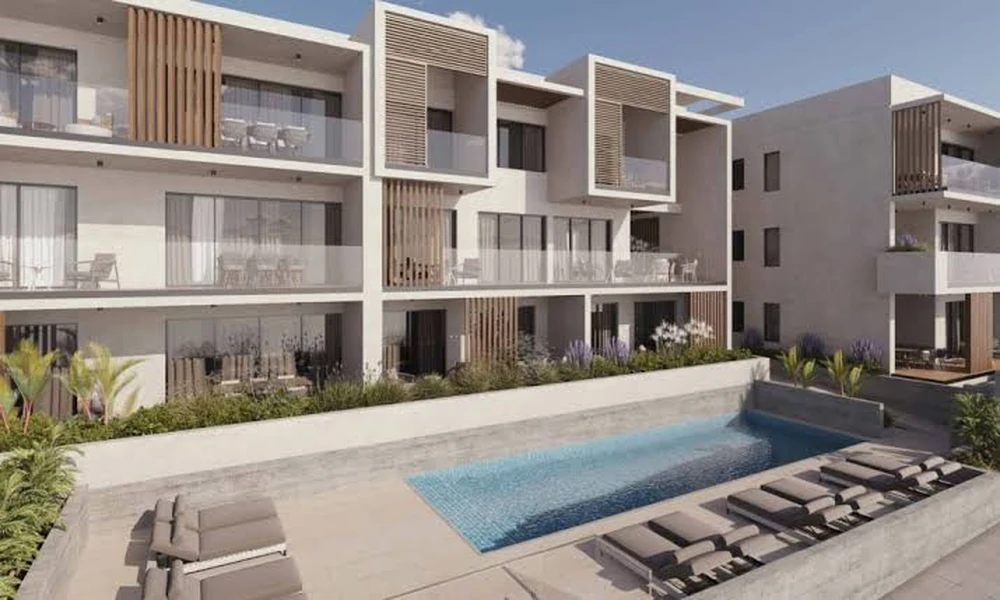
A well-connected home is not just about living close to highways, railway stations, or major roads. It is also about how easily residents can travel from their homes to the nearest transport facilities, workplaces, schools, hospitals, and shopping areas. For homebuyers exploring mohan parkland kalyan, last-mile connectivity is an important factor to consider when evaluating the convenience of a residential location. Even when a neighbourhood has access to major infrastructure, comfortable everyday travel depends on how smoothly people can complete the final part of their journey.
What Is Last-Mile Connectivity?
Last-mile connectivity refers to the transportation options available between a major transit point and a person’s final destination. In residential areas, this usually means travelling from a railway station, bus stop, or metro station to the apartment building.
For example, a person may reach a railway station quickly but still need another 15 to 20 minutes to reach home. If local transport is limited, this short distance can become a daily challenge.
Last-mile connectivity includes several transportation options, such as:
- Auto-rickshaws and local taxis.
- Feeder buses and public transport services.
- Walking routes and pedestrian pathways.
- Cycling routes and bicycle facilities.
- App-based cab and shared mobility services.
When these options are easily available, residents can travel more comfortably without depending entirely on private vehicles.
Why Last-Mile Connectivity Matters for Working Professionals
For working professionals, daily commuting is one of the biggest considerations when selecting a home. Long travel times, traffic congestion, and unreliable local transportation can affect productivity and personal routines.
Good last-mile connectivity makes it easier to reach railway stations, metro stations, bus terminals, and commercial areas. It can also reduce dependence on private vehicles, helping residents save time and manage transportation expenses.
Homebuyers considering runwal central avenue or other residential developments should evaluate the actual distance between the property and nearby transport facilities. They should also check the availability of local transport during peak office hours.
A location that offers convenient access to major roads and reliable local transportation can make everyday commuting more manageable.
Better Connectivity Improves Family Convenience
Last-mile connectivity is not important only for office commuters. It also influences the everyday activities of families, students, and senior citizens.
Parents need convenient transportation options for taking children to schools and educational institutions. Senior citizens may depend on nearby public transport to visit hospitals, attend appointments, or complete everyday activities.
Easy access to grocery stores, pharmacies, banks, and shopping centres can also reduce the need for long journeys.
For families exploring mahavir tranquil, understanding the surrounding transportation network can help them evaluate how conveniently they can access important daily services.
A residential neighbourhood with suitable walking routes, accessible public transport, and nearby essential facilities can support a more balanced lifestyle.
The Role of Infrastructure Development
Infrastructure development plays an important role in improving last-mile connectivity. Better roads, improved junctions, organised bus services, pedestrian-friendly pathways, and new public transportation facilities can make neighbourhoods more accessible.
However, homebuyers should distinguish between existing infrastructure and proposed developments. A planned transport project may improve future connectivity, but its completion timeline and actual benefits should be verified through reliable sources.
Local road conditions also matter. Well-maintained roads, proper street lighting, safe crossings, and clear signage can make short-distance travel more convenient.
Last-Mile Connectivity and Property Demand
Connectivity is one of the important factors influencing residential property demand. Buyers often prefer neighbourhoods that provide convenient access to employment centres, educational institutions, healthcare facilities, and public transportation.
Properties located in well-connected areas may attract interest from both end-users and tenants. However, property value also depends on several other factors, including construction quality, pricing, amenities, neighbourhood development, and market conditions.
When evaluating meridian park shilphata, homebuyers should consider the actual travel time to nearby transport points rather than relying only on general location descriptions.
What Homebuyers Should Check Before Buying
Before purchasing an apartment, buyers should explore the surrounding neighbourhood and assess its transportation facilities.
Some important points to consider include:
- Distance to the nearest railway station or metro station.
- Availability of auto-rickshaws, buses, and taxis.
- Road conditions during peak traffic hours.
- Safe walking routes and street lighting.
- Access to schools, hospitals, and shopping areas.
- Availability of public transport during early mornings and late evenings.
Visiting the location at different times of the day can provide a more realistic understanding of everyday connectivity.
Conclusion
Last-mile connectivity is an essential part of comfortable residential living. It connects homes with the wider city and makes daily journeys easier for working professionals, students, families, and senior citizens. While choosing a property, buyers should look beyond major highways and railway stations and understand how conveniently they can reach their final destination. A well-connected neighbourhood can save time, reduce travel stress, and improve everyday convenience. Whether considering meridian park shilphatha or another residential development, evaluating last-mile connectivity can help homebuyers make a smarter and more practical property decision.
