

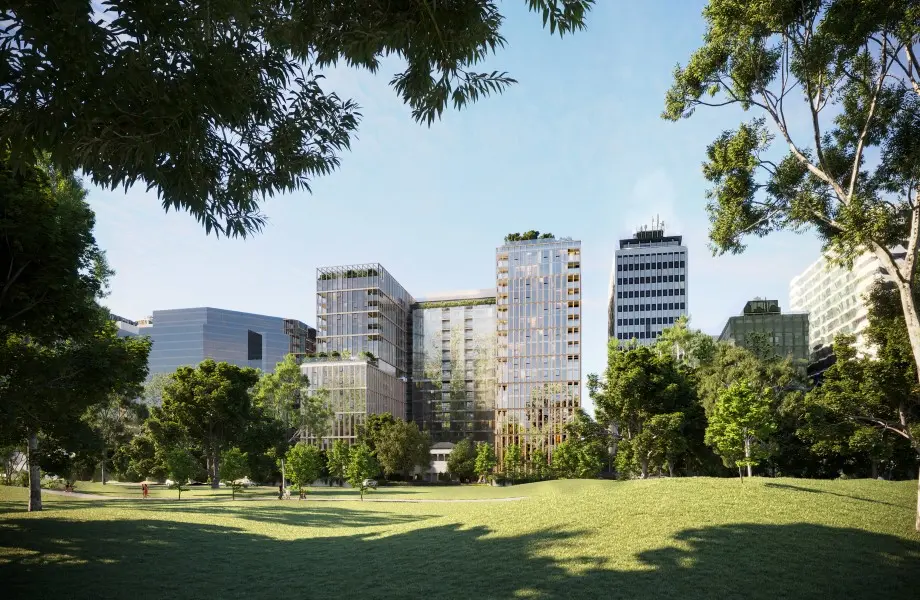
Melbourne’s property landscape continues to evolve as commercial developments, high-rise buildings, mixed-use precincts and purpose-built rental communities become increasingly sophisticated. Managing these properties requires more than routine cleaning and occasional repairs. Building owners and property managers must consider operational efficiency, occupant satisfaction, regulatory compliance and long-term asset performance.
Professional facilities management provides a structured approach to maintaining buildings and ensuring that essential systems operate reliably. From preventative maintenance and contractor coordination to energy management and financial planning, effective building operations can significantly influence a property’s performance.
The growing build-to-rent sector introduces additional considerations, particularly around resident experience, shared amenities and long-term ownership. Understanding these requirements helps property owners develop more sustainable and efficient management strategies.
Why Commercial Facilities Management in Melbourne Matters
Melbourne’s commercial property market includes office towers, retail centres, mixed-use developments and high-density buildings. Each property type has unique operational requirements.
Professional Commercial facilities management Melbourne services help building owners coordinate maintenance, manage essential systems and maintain safe, functional environments for occupants.
A comprehensive management approach generally includes:
- Preventative maintenance planning
- Building inspections and condition assessments
- Essential services compliance
- Contractor and supplier coordination
- Energy and water consumption monitoring
- Cleaning and waste management
- Emergency preparedness
- Long-term asset planning
These activities contribute to smoother building operations while helping owners identify potential problems before they become expensive repairs.
For commercial properties with multiple tenants, effective management also supports a more consistent workplace environment.
Understanding the Role of Facilities Management
Facilities management involves coordinating the physical infrastructure, services and operational activities required to keep a property functioning effectively.
Its responsibilities extend beyond responding to maintenance requests.
A facilities manager may oversee mechanical systems, lifts, electrical infrastructure, fire protection equipment, security arrangements and shared spaces.
The objective is to maintain a safe and efficient building while balancing operating costs with service quality.
Modern facilities management increasingly uses digital systems to track maintenance schedules, document inspections and monitor building performance.
This structured approach helps property owners make informed decisions based on accurate operational information.
The Importance of Preventative Maintenance
Preventative maintenance is one of the most valuable components of effective building management.
Instead of waiting for equipment to fail, maintenance teams inspect and service essential systems according to planned schedules.
Typical maintenance activities include:
- Heating, ventilation and air-conditioning inspections
- Lift servicing
- Electrical system assessments
- Plumbing inspections
- Fire safety equipment maintenance
- Roof and drainage inspections
- Common-area maintenance
Regular inspections can identify developing problems before they cause major disruptions.
For example, detecting an issue with an air-conditioning system early may prevent an unexpected failure during periods of high demand.
Preventative maintenance also supports more predictable budgeting because scheduled work can be planned in advance.
How Build-to-Rent Facilities Management Supports Residential Communities
Build-to-rent developments represent a different approach to residential property ownership.
Unlike traditional apartment buildings where individual units may be owned by separate investors, build-to-rent properties are generally developed and operated as professionally managed rental communities under a single ownership structure.
This creates distinct operational priorities.
Specialised Build to rent facilities management focuses on maintaining the property while delivering a consistent experience for residents.
Responsibilities may include resident communication, maintenance coordination, concierge services, shared amenity management and long-term asset planning.
Because the owner retains responsibility for the entire development, maintaining service quality becomes particularly important.
Well-managed buildings can encourage tenant satisfaction, support lease renewals and contribute to long-term property performance.
Resident Experience and Building Services
Resident satisfaction plays a significant role in the success of professionally managed rental developments.
People increasingly expect more than a functional apartment. Shared facilities, responsive maintenance and reliable communication can influence their overall living experience.
Modern residential developments may offer amenities such as:
- Fitness centres
- Swimming pools
- Shared workspaces
- Outdoor recreation areas
- Communal lounges
- Parcel collection facilities
- Bicycle storage
Each amenity requires appropriate maintenance, cleaning and operational oversight.
Facilities managers help ensure these spaces remain safe, accessible and properly maintained.
Efficient maintenance reporting systems also allow residents to raise concerns and receive updates without unnecessary delays.
Building Compliance and Safety Responsibilities
Commercial and residential buildings must meet applicable safety and regulatory requirements.
In Victoria, building owners and responsible parties must consider relevant obligations relating to essential safety measures, fire protection systems, emergency procedures and workplace safety.
Facilities management teams help coordinate inspections, maintenance documentation and required compliance activities.
Important areas may include fire detection systems, emergency lighting, exit pathways, lifts and other essential building infrastructure.
Maintaining accurate records is particularly valuable because it allows owners to demonstrate that required inspections and servicing have been undertaken.
Compliance requirements vary depending on building classification and use, making professional oversight an important part of property operations.
Sustainability and Energy Efficiency
Sustainability has become a major consideration in contemporary building management.
Commercial properties and large residential developments can consume substantial amounts of electricity and water through lighting, heating, cooling and shared facilities.
Facilities managers can help identify opportunities to reduce unnecessary consumption.
Practical strategies include monitoring energy use, optimising HVAC operating schedules, improving lighting efficiency and identifying water leaks.
Waste management and recycling programs can also support broader environmental objectives.
These initiatives may reduce operating expenses while helping property owners work towards sustainability targets.
Technology and Smart Building Management
Digital technology is changing how buildings are monitored and maintained.
Modern building management platforms can collect information about equipment performance, energy consumption, maintenance requests and operational activities.
This information helps facilities teams identify unusual patterns and respond more effectively.
For example, monitoring systems may reveal that a particular piece of equipment is consuming more energy than expected.
Investigating the issue early could prevent further inefficiency or equipment deterioration.
Digital maintenance records also improve communication between building owners, managers and contractors.
Rather than relying entirely on manual reporting, stakeholders can access more consistent information about building operations.
Long-Term Asset and Capital Expenditure Planning
Buildings contain major assets that eventually require replacement or significant refurbishment.
Lifts, air-conditioning systems, roofing materials and electrical infrastructure all have finite service lives.
Capital expenditure planning helps owners anticipate these costs.
A structured plan considers the condition of existing equipment, expected replacement periods, operational requirements and future financial commitments.
Forecasting major expenses over several years can reduce the likelihood of unexpected financial pressure.
It also allows property owners to prioritise improvements according to safety, reliability and long-term value.
Choosing an Effective Facilities Management Approach
Every property has different requirements.
A commercial office building may prioritise workplace comfort, tenant operations and essential services reliability.
A large rental development may place greater emphasis on resident communication, shared amenities and service responsiveness.
When planning a facilities management strategy, owners should consider:
- Building size and complexity
- Occupant expectations
- Maintenance requirements
- Compliance responsibilities
- Reporting capabilities
- Sustainability objectives
- Long-term financial planning
A well-designed strategy should be flexible enough to respond to changing building conditions while maintaining consistent operational standards.
Conclusion
Effective facilities management is essential for maintaining safe, efficient and well-performing properties throughout Melbourne.
Commercial buildings benefit from structured maintenance, reliable essential services, regulatory oversight and careful asset planning. Meanwhile, build-to-rent developments require an additional focus on resident experience, responsive communication and the long-term performance of shared facilities.
Preventative maintenance, smart building technology, sustainability initiatives and capital expenditure planning all contribute to stronger property operations.
As Melbourne’s built environment becomes increasingly complex, professional facilities management will remain an important part of protecting property assets, supporting occupants and maintaining reliable building performance over time.
