

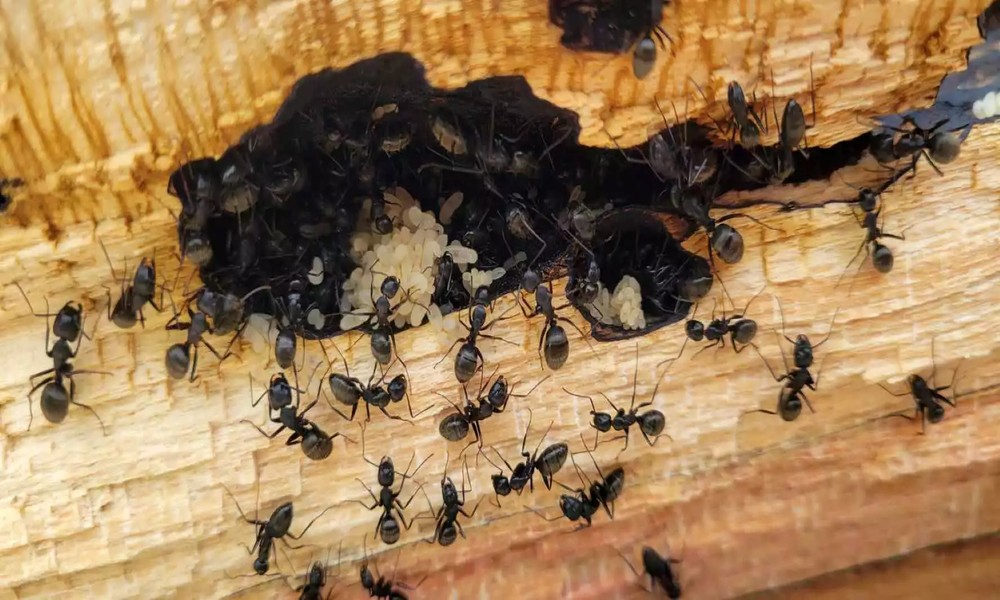
Ant infestations in outdoor decks are a common concern for homeowners in Ashburn, especially when moisture problems go unnoticed. Damp wood creates an ideal environment for ants to nest and spread, leading to potential structural issues. Insights from Greenpestservices.net emphasizes the importance of identifying early warning signs.
As moisture continues to affect the strength of deck materials, the likelihood of infestation increases. Understanding how water damage attracts ants allows homeowners to take timely action and prevent costly repairs while preserving the durability and safety of their outdoor spaces.
Why Moisture Attracts Ants to Decks
Moisture plays a critical role in attracting ants, particularly carpenter ants, which prefer damp or decaying wood. Ashburn’s seasonal humidity and rainfall often contribute to this problem.
Key reasons moisture attracts ants include:
- Softened wood: Damp wood is easier for ants to tunnel through.
- Fungal growth: Moisture encourages fungi, which further breaks down wood and attracts insects.
- Shelter and nesting: Wet areas provide a safe and stable nesting environment.
- Food sources: Moist conditions may attract other insects, which ants feed on.
Common Moisture Problems in Ashburn Decks
Understanding the root causes of moisture buildup is essential for prevention and repair. Several factors contribute to persistent dampness in deck structures.
Typical moisture-related issues include:
- Poor drainage: Water pooling around the deck due to improper grading.
- Clogged gutters: Overflowing water spilling onto deck surfaces.
- Cracked or damaged boards: Allowing water to seep into the wood.
- Lack of sealing: Unprotected wood absorbing rain and humidity.
- Ground contact: Wooden components directly touching soil.
Ashburn homeowners should regularly inspect their decks, especially after heavy rains or seasonal changes.
Signs of Ant Infestation in Decks
Detecting ant activity early can prevent extensive damage. While ants are small, the signs they leave behind are often noticeable.
Watch for these indicators:
- Small piles of sawdust-like material: Known as frass, a byproduct of ant tunneling.
- Visible ant trails: Especially along deck boards or railings.
- Rustling sounds: Faint noises inside wood structures.
- Hollow-sounding wood: Tapping may reveal internal damage.
- Winged ants: Swarmers indicating a mature colony nearby.
Structural Damage and Repair Signs
Moisture and ants together can significantly weaken a deck’s integrity. Identifying repair needs early is crucial for safety and longevity.
Key repair signs include:
- Soft or spongy wood: Indicates rot and internal damage.
- Discoloration or dark patches: A sign of prolonged moisture exposure.
- Warped or cracked boards: Caused by repeated wet-dry cycles.
- Loose railings or supports: Structural weakening due to infestation.
- Sagging sections: A serious issue requiring immediate attention.
Preventive Measures for Ashburn Homeowners
Preventing moisture buildup is the most effective way to avoid ant infestations. Routine maintenance can make a significant difference.
Effective prevention tips:
- Seal and stain wood regularly: Protects against water absorption.
- Ensure proper drainage: Direct water away from the deck area.
- Clean gutters and downspouts: Prevent overflow onto the deck.
- Trim nearby vegetation: Reduces moisture retention and ant access.
- Inspect annually: Check for early signs of damage or infestation.
Proactive care helps extend the life of the deck and reduces the risk of pest problems.
When to Seek Professional Help
While minor issues can be handled with DIY methods, severe infestations or structural damage require expert intervention. Professionals can accurately assess the extent of the problem and recommend effective solutions.
Situations that call for professional assistance include:
Ant infestations in Ashburn decks are often a symptom of underlying moisture problems. Addressing these issues early can prevent structural damage and costly repairs. By recognizing the signs of infestation and maintaining proper deck care, homeowners can protect their outdoor spaces and ensure long-term durability. Regular inspections and timely action remain the key to keeping decks safe, dry, and pest-free.
