

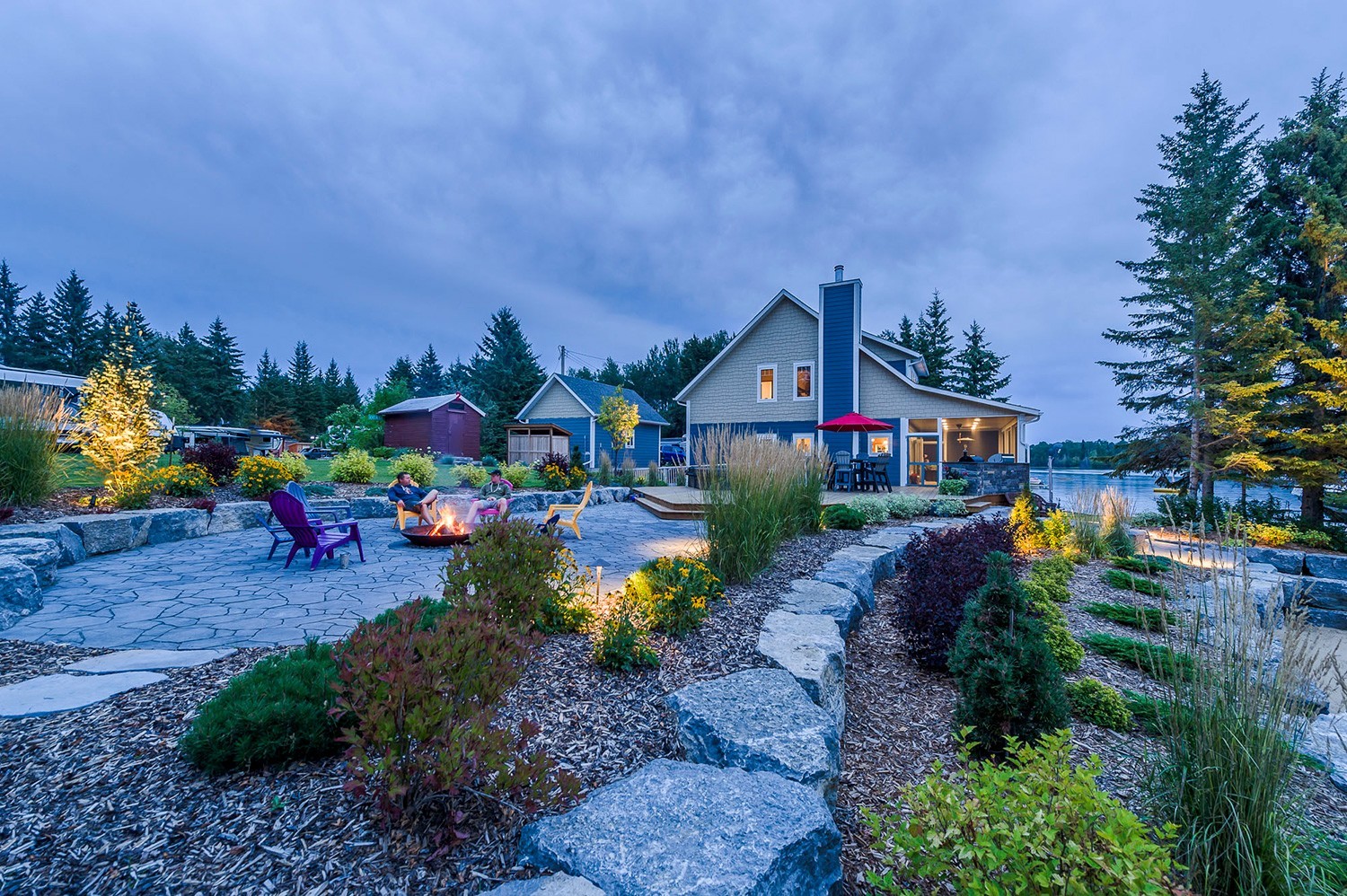
Landscape services have emerged as essential components of modern urban life, bridging the divide between our built environments and the natural world from which we increasingly find ourselves separated. In examining the role these services play in contemporary society, one discovers not merely a horticultural industry but a vital ecological intervention that shapes our physical and psychological wellbeing. The science is unequivocal: green spaces improve air quality, reduce urban heat, support biodiversity, and enhance human health. Professional landscaping practitioners serve, in effect, as ecosystem engineers, constructing and maintaining the living infrastructure that makes our cities habitable.
The Ecological Imperative of Professional Landscaping
From a biological perspective, landscape services represent humanity’s attempt to recreate, albeit in modified form, the natural systems our species evolved alongside. Edward O. Wilson’s concept of biophilia suggests that humans possess an innate tendency to seek connections with nature and other forms of life. Professional landscaping fulfils this deep-seated need, particularly in urban environments where spontaneous nature has been largely displaced.
The practitioners of landscape services function as applied ecologists, whether they recognise this role or not. They create habitats, manage resources, and maintain ecological processes within human-dominated environments. The distinction between a mere garden and a functioning ecosystem lies in the sophistication of design and the understanding of ecological principles that guide maintenance practices.
The Spectrum of Professional Landscaping Solutions
The range of services offered by landscaping professionals encompasses far more than simple lawn maintenance or seasonal planting. A comprehensive understanding of what these services entail reveals their complexity:
-
Design and Planning
Creating blueprints for outdoor spaces that balance aesthetic appeal with ecological function, drainage requirements, and human use patterns
-
Installation Services
Implementing designs through soil preparation, plant selection and placement, hardscaping, and irrigation system establishment
-
Maintenance Programmes
Regular care including pruning, fertilisation, pest management, and seasonal adjustments to maintain plant health and appearance
-
Tree Care
Specialised services including tree surgery, risk assessment, and arboricultural management
-
Turf Management
Soil analysis, grass selection, aeration, and sustainable lawn care practices
-
Water Feature Installation:
Design and maintenance of ponds, fountains, and water gardens that support aquatic ecosystems
The Singapore Model: Integration of Nature and Urban Life
Singapore offers a particularly instructive case study in how professional landscape services can transform an entire nation’s relationship with its environment. As Dr. Tan Puay Yok from the National University of Singapore observed, “Professional landscape management has become an integral part of Singapore’s identity, ensuring that our green spaces remain accessible, functional, and ecologically valuable for all residents.”
The landscape service industry in Singapore operates under stringent environmental guidelines and draws upon a deep pool of horticultural expertise. Professionals must understand tropical ecology, manage the challenges of equatorial climate, and work within strict regulations designed to protect and enhance urban biodiversity. This model demonstrates that landscaping services, when properly conceived and executed, transcend decoration to become essential urban infrastructure.
Sustainable Practices in Contemporary Landscaping
The evolution of professional landscaping reflects growing environmental awareness and scientific understanding. Modern landscape services increasingly incorporate sustainable methodologies that reduce resource consumption whilst enhancing ecological benefits. Integrated Pest Management reduces chemical inputs by relying on biological controls and cultural practices. Water-wise irrigation systems employ sensors and weather-based controllers to optimise water use. Organic soil amendments replace synthetic fertilisers, building soil health whilst reducing chemical runoff.
The selection of plant materials has likewise shifted towards native and adapted species that require fewer inputs whilst supporting local fauna. This ecological approach to landscaping acknowledges that gardens exist not in isolation but as nodes within larger biological networks. Professional landscapers trained in these principles become conservation practitioners, their work contributing to regional biodiversity goals.
The Human Dimension: Health and Wellbeing
Research in environmental psychology and public health consistently demonstrates that access to well-maintained green spaces correlates with improved physical and mental health outcomes. Professional landscape services thus serve a public health function, creating and maintaining environments that reduce stress, encourage physical activity, and provide restoration from mental fatigue.
The therapeutic value of gardens has long been recognised, but contemporary landscape services apply this knowledge systematically. Healing gardens in medical facilities, sensory gardens for individuals with dementia, and community gardens that foster social connection all require professional expertise to design and maintain effectively. These specialised applications of landscaping services demonstrate the field’s breadth and social relevance.
Selecting and Working with Landscape Professionals
Engaging professional landscaping services requires understanding what to expect and how to communicate effectively with practitioners. A qualified professional should conduct site analysis, discuss goals and constraints, provide detailed proposals, and explain maintenance requirements clearly. They should demonstrate knowledge of local growing conditions, relevant regulations, and sustainable practices.
Questions about pest management philosophy, water conservation strategies, and plant sourcing reveal a practitioner’s environmental values and technical competence. The most effective client-professional relationships involve ongoing communication, as landscapes change seasonally and over time require adaptive management.
The Future of Landscape Services
As climate change accelerates and urbanisation intensifies, the role of professional landscape services will likely expand rather than diminish. These practitioners will increasingly function as climate adaptation specialists, selecting resilient plant communities and designing systems that manage extreme weather events. Their work in carbon sequestration, stormwater management, and urban cooling will become more explicitly valued.
The integration of technology offers new possibilities for precision in landscape management, from soil sensors to drone-based monitoring. Yet the fundamental task remains unchanged: creating and maintaining living systems that enrich human life whilst supporting broader ecological health. In this essential work lies the true value and future trajectory of professional landscape services.
