

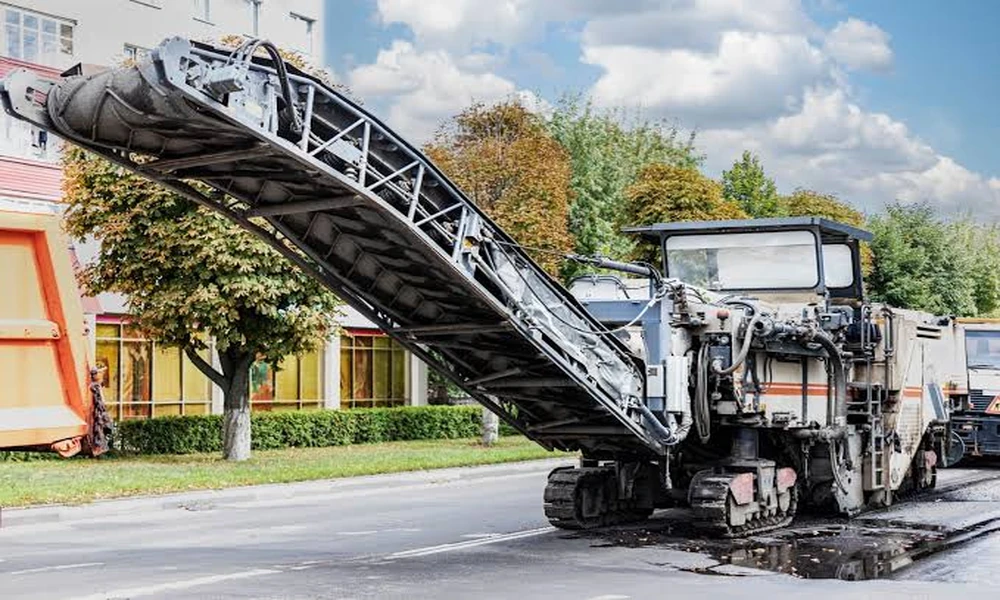
When considering pavement rehabilitation, one of the most important operations is “Asphalt Milling”, which involves the removal of the old pavement surface layer to be ready for re-surfacing or reconstruction. While milling is normally a quick and efficient process, there are a number of factors that can slow the process and prolong project schedules. Knowing these possible delays better will enable property owners, contractors, and project managers to plan more effectively and avoid unexpected delays. Having such challenges identified beforehand allows projects to remain on schedule, quality, and keep safety in mind.
Understanding the various Factors Slow Down Asphalt Milling can help project owners set realistic expectations before work begins. While milling is generally completed much faster than full pavement reconstruction, every site presents unique challenges that may affect productivity. Variables such as pavement condition, weather patterns, equipment performance, traffic management requirements, and unforeseen underground obstacles all play a role in determining how efficiently the project progresses. By recognizing these potential influences early, stakeholders can make informed decisions, improve scheduling, and reduce the likelihood of costly disruptions during the rehabilitation process.
- Unfavorable Weather Conditions
Asphalt milling projects can be delayed for several reasons, including weather. Rains may cause slippery conditions on pavement surfaces and affect the efficiency of equipment, and standing water can affect the milling process. Pavement conditions can also be adversely impacted by extremely cold temperatures, which can also be difficult for subsequent resurfacing efforts. Contractors will closely watch the weather and may delay milling if it is not safe and appropriate.
- Unexpected Pavement Damage
Milling sometimes shows up the condition of the pavement only after the milling has started. If there are hidden structural problems like deep cracks, failure at the base, unstable subgrade or drainage problems, there may be additional repairs that need to be carried out before the project can proceed. These deep-lying issues can not be solved by just resurfacing over an existing problem pavement, as the surface may deteriorate early on and require expensive repairs in the future.
- Equipment Breakdowns
The milling of asphalt is a process that uses specialized equipment that is subjected to harsh operating conditions. If a mechanical failure, worn cutting teeth, hydraulic problem or unexpected equipment failure occurs it may temporarily stop the operations. Utilizing regular maintenance of equipment, and the presence of backup equipment, can minimize downtime, but repairs can still impact the overall schedule.
- Traffic Control and Access Restrictions
Traffic management will often be required with projects that are situated on busy roadways, commercial properties or high-volume parking lots. To keep vehicles and pedestrian on the road, contractors might need to do the milling jobs in phases, thus lengthening the project’s schedule. Road closures, detour routes, and changes in working hours may also impact productivity for the day.
- Utility and infrastructure conflicts.
Milling operations can be complex because of underground utilities, manholes, storm drains and other infrastructure. Care needs to be taken by the contractors when working near these features to ensure that no damage is caused, and that pavement elevations are kept correct. There may be additional delays required before milling can begin, depending on the utility company, due to infrastructure inspection and/or readjustments.
- The challenges involved in both materials and scheduling.
While new asphalt is not required for milling, the project schedule may be contingent on the interactions of the milling crew with resurfacing crews, delivery of materials and other contractors. If equipment, labor, or asphalt can not be scheduled for the next phase of work, then the paving process is temporarily halted between milling and paving.
- Environmental & Safety Requirements
Some projects will need to follow environmental, dust control, noise and/or local permit requirements. Project schedule may be impacted by additional safety measures, inspections, or regulatory approvals, especially in residential neighborhoods and/or environmentally sensitive areas.
- Effective Planning Minimizes Delays
There are some unavoidable delays, but others can be minimized with careful planning and experienced project management. Careful site inspection, maintenance of the equipment, keeping track of the weather forecast and coordinating traffic control all help to ensure a smoother milling process.
