

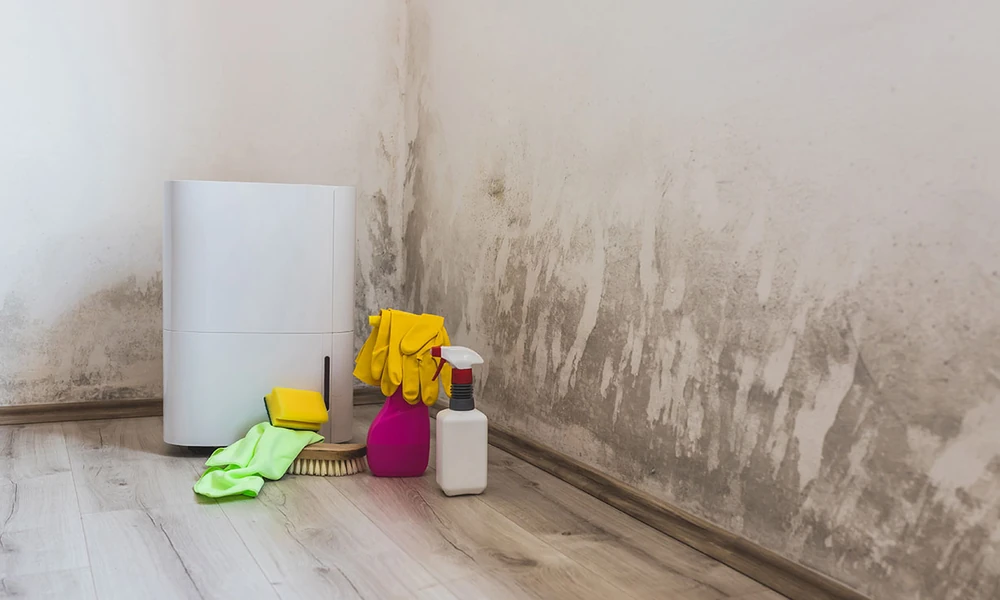
A water loss moves in stages, and each stage closes a door on the next. Moisture climbs into drywall and wicks along framing within hours, porous materials swell, and the EPA says water-damaged areas and items should be dried within 24 to 48 hours to prevent mold growth, as its mold cleanup guidance explains. In Miami, where humidity stays high all year and outdoor dew points in summer often sit in the mid 70s Fahrenheit, that window is a hard limit. Knowing what should happen at each point, and in what order, makes it easier to judge whether a job is being handled properly.
Insurance direct billing, IICRC certified technicians and a phone that is answered every hour of the day are what matter most on the first call, and all three come with water restoration in Miami from Water Resto USA. The company works out of its NE 191st Street headquarters and reaches homes and businesses across Miami-Dade, Broward and Palm Beach counties, from Brickell and Doral to Fort Lauderdale and Boca Raton. Crews also handle sewage cleanup, storm and flood losses, mold, fire and smoke damage, plumbing emergencies and the rebuild afterward. To get an inspection on the schedule, email info@WaterRestoUSA.com or send the free estimate form on the website.
The First Hour
- Stop the source. Close the fixture or main shutoff for a pipe failure. For storm intrusion, wait until it is safe to enter, then address the opening.
- Cut power to affected rooms at the breaker and stay out of standing water near outlets or appliances.
- Document everything. Photos, video, the time the loss started and a list of damaged items all matter later. Florida has shortened claim-filing windows in recent years and, for newer policies, no longer allows assignment of benefits, so owners deal with the carrier directly and should report early.
- Make the water call. Clean supply water, gray water and contaminated water are handled differently, and that choice drives every step that follows.
Hours One to Twelve
- Classify the loss. The ANSI/IICRC S500 standard sets out how professionals judge water category and class before work begins. Floodwater and storm surge are generally treated as the most contaminated category, so carpet, pad and other porous materials usually have to go.
- Extract standing water with truck-mounted or portable extractors. Speed here removes the most moisture for the least effort.
- Remove what cannot be saved, such as wet pad, soaked insulation and baseboard, and bag it on site to keep contaminants from spreading.
- Take baseline readings. Moisture meters, thermal imaging and humidity measurements create a map of wet areas and a starting point for comparison.
Day One to Day Four
- Close the structure. Opening windows in Miami’s humid climate can add moisture instead of removing it, so the building is sealed and dried mechanically.
- Set equipment by measurement. Dehumidifiers and air movers are placed according to the amount of wet surface, not by habit.
- Apply antimicrobial treatment where the water category calls for it. Mold can begin growing within roughly one to two days under warm, damp conditions, so this is the stage where preventing it is easiest.
- Check and adjust daily. Readings show which materials are drying and which are stalling, and equipment is moved to follow the moisture. Drying a thick wall cavity or a concrete slab, common in Miami homes, usually takes longer than surface materials.
Final Readings
- Set a dry standard. Technicians record moisture levels in similar unaffected materials in the same building and use them as the target.
- Test the hard places: wall cavities, subfloors, the bottom plates of walls and the slab. Surfaces can feel dry while framing underneath is still wet.
- Close out the drying phase only when readings meet the standard, then remove equipment and keep the daily logs. Those records support the insurance file.
- Know when mold rules apply. Florida licenses mold assessors and remediators through the Department of Business and Professional Regulation, and a license is required when work involves more than 10 square feet of mold that was not intentionally grown there. ANSI/IICRC S520 is the procedural standard for remediating mold-damaged structures and contents.
Rebuilding Decisions
- Define the scope. Drywall, insulation, flooring and cabinetry removed during drying need to be replaced, and the written scope should match what was actually demolished.
- Confirm permits. Miami-Dade and Broward are in the High Velocity Hurricane Zone of the Florida Building Code, so roofing, window and structural work requires permits and approved products, and electrical and plumbing repairs typically do too.
- Check floodplain rules. In flood zones, repairs that exceed roughly half of a building’s market value can trigger a requirement to bring the whole structure up to current floodplain standards, so the repair estimate matters beyond cost.
- Schedule inspections. Local building departments sign off on permitted work, and that closes the file on the loss.
