

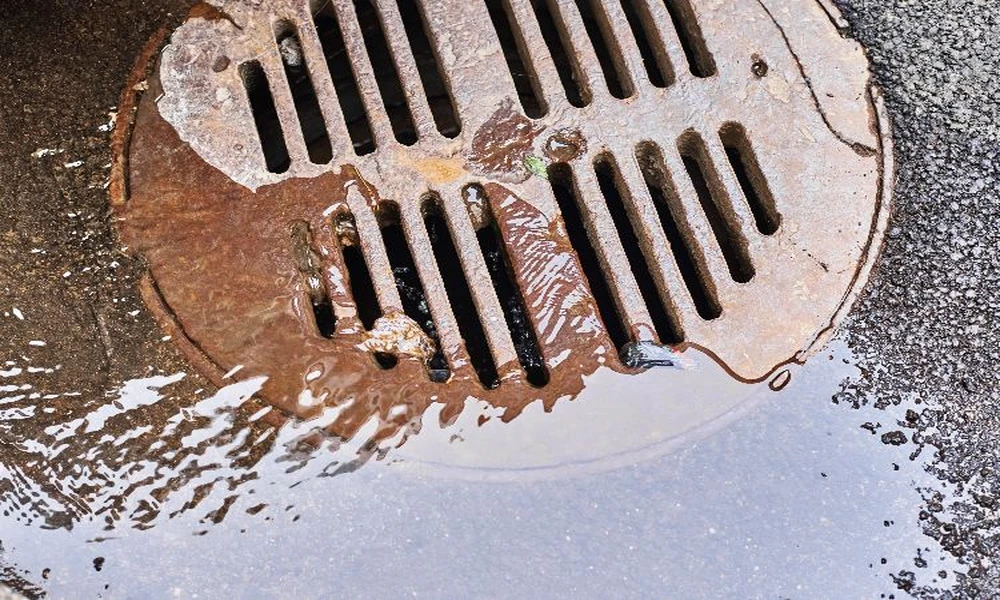
A drain rarely becomes completely blocked without giving some warning first. A kitchen sink begins emptying more slowly. Water lingers in the shower. A toilet makes an unfamiliar gurgling sound. These changes may seem unrelated when they happen in separate rooms, yet they often reveal how wastewater is moving through connected sections of the plumbing system.
Professional residential drain cleaning in Sun City focuses on these early patterns before slow drainage develops into standing water or a larger backup. Each fixture collects different material, but the pipes eventually connect farther downstream. Understanding that connection makes it easier to recognize when a minor drain problem deserves attention.
Start With the Drain That Changed First
When several plumbing symptoms appear, think about which one started first.
Maybe the kitchen sink became slower several weeks before the bathroom drain changed. Perhaps the shower began holding water before the toilet started gurgling.
That sequence provides useful information.
A problem that stays limited to one fixture may involve buildup relatively close to that drain. When symptoms gradually appear in additional rooms, the restriction may sit farther along a shared section of piping.
Write down the order in which you noticed each change. That simple timeline gives the service provider more context before the line is inspected.
Kitchen Buildup Develops From Everyday Cleanup
Kitchen drains regularly receive soap, food residue, grease, and small particles left behind during meal preparation.
Grease deserves particular attention.
Warm fats and oils may enter the sink as liquids before cooling inside the plumbing. They may then cling to pipe walls, creating a surface where additional debris accumulates.
The change is often gradual.
Water takes longer to disappear. The sink develops an odor. A clog gets cleared but returns sooner than expected.
Keeping grease out of the drain reduces one common source of buildup. Scraping food into the trash before washing dishes also limits the amount of material entering the line.
Bathroom Drains Collect Material Differently
Bathroom drains face a different combination of debris.
Hair, soap residue, shaving products, toothpaste, and personal care products may gather around stoppers or deeper inside the pipe.
A shower often reveals the problem through standing water.
At first, the water may disappear shortly after the shower ends. As buildup increases, the puddle remains longer and becomes deeper.
Using a hair catcher and clearing visible debris regularly reduces the amount entering the plumbing.
When slow drainage repeatedly returns despite basic cleaning, visit https://suncitydraincleaning.com/ to review local drain service options.
Several Slow Drains Change the Situation
One slow sink often points toward a local obstruction.
Several slow fixtures create a broader pattern.
If the kitchen sink, shower, and another drain begin changing around the same period, a shared branch or main drain may deserve closer inspection.
Location still matters.
Two slow fixtures in the same bathroom may share piping sooner than fixtures located on opposite sides of the house. A service provider may use these relationships to narrow down where the restriction sits.
Professional residential drain cleaning in Sun City should consider the entire pattern rather than treating every affected fixture as an unrelated clog.
Gurgling Shows That Fixtures May Be Interacting
Drainage pipes move wastewater along with air.
When a restriction changes normal flow, nearby fixtures may begin making bubbling or gurgling sounds.
Pay attention to what triggers the noise.
A shower drain that gurgles every time the toilet flushes provides useful information about how those fixtures interact. A sink that bubbles when the washing machine releases water presents another clue.
There is no need to repeatedly reproduce an active backup.
One clear observation is enough to mention during the service call.
The timing of the sound often matters more than the volume.
Laundry May Expose a Developing Restriction
Washing machines release a relatively large amount of water during a drain cycle.
That sudden flow may expose a restriction that is less obvious when smaller fixtures are used.
Watch nearby drains during ordinary laundry use.
A floor drain may gurgle. Water may rise briefly somewhere else. A utility sink may drain differently when the machine empties.
These reactions deserve attention because they show what happens when the drainage system receives more water at once.
Laundry-related symptoms may also reveal that a problem extends beyond one sink or shower.
Avoid Treating the Toilet Like a Trash Container
What goes down a toilet eventually enters larger portions of the wastewater system.
The U.S. Environmental Protection Agency identifies fats, oils, grease, wipes, sanitary products, and other inappropriate materials as contributors to sewer blockages. The agency’s information on sanitary sewer overflows also identifies tree-root intrusion and inadequate sewer cleaning among causes of restrictions and overflows.
A simple household rule reduces avoidable trouble.
Human waste and toilet paper belong in the toilet. Wipes, paper towels, hygiene products, and similar materials belong in the trash.
Keeping unsuitable items out of the plumbing reduces material that may collect farther downstream.
Recurring Clogs Tell a Different Story
A drain that clogs once and stays clear after service presents one situation.
A drain that slows again every few weeks deserves closer attention.
Repeated temporary clearing may create enough space for water to move without removing all the material coating the pipe.
New debris then gathers around what remains.
Keep track of how quickly symptoms return.
The interval between clogs may provide useful information about how quickly buildup is developing and whether a more thorough cleaning approach deserves consideration.
Recurring trouble should not automatically become part of the household routine.
Odors May Arrive Before a Full Blockage
A drain may smell unpleasant while water still moves through it.
Food residue, grease, organic debris, and stagnant material may remain inside the line long enough to produce recurring odors.
Cleaning the visible drain opening may improve the smell temporarily.
If it keeps returning, the source may sit farther inside the plumbing.
Notice which fixtures smell and when.
An odor isolated to one kitchen sink creates a different pattern from similar smells appearing around several rooms.
Include recurring odors when describing the drainage problem rather than treating them as a separate cleaning issue.
Main Drain Problems Affect More of the House
Individual fixture drains eventually connect to larger piping.
A restriction in that shared section may affect several areas at once.
Multiple slow drains, toilets reacting to other fixtures, recurring lower-level backups, and widespread gurgling may all point farther downstream.
At this stage, repeatedly working on one sink may miss the actual restriction.
Residential drain cleaning in Sun City should follow the symptoms toward the section of plumbing they share.
The objective is to identify where normal flow changes rather than simply working on whichever fixture becomes inconvenient first.
Heavy Buildup May Require More Thorough Cleaning
Not every drain problem consists of one solid object lodged inside a pipe.
Grease, soap residue, sludge, mineral deposits, and other materials may coat a longer section of the interior surface.
That buildup gradually reduces available space for wastewater.
Mechanical drain equipment works well for many concentrated obstructions. Heavier deposits along pipe walls may call for another cleaning method, such as hydrojetting, after the condition of the line is evaluated.
The Sun City service site currently includes main drain cleaning, hydrojetting, sewer line cleaning, kitchen drains, bathroom drains, sink drains, and storm drain service among its available options.
The cleaning method should match the actual condition inside the pipe.
Outdoor Drainage Needs Attention Too
Residential drainage problems are not limited to kitchens and bathrooms.
Outdoor drains may collect leaves, dirt, roots, mulch, and landscaping debris.
The first sign may appear after heavy rain.
Water remains around a patio, driveway, or yard longer than usual. A drain that previously cleared runoff quickly begins struggling.
Remove visible surface debris periodically and notice recurring pooling around the same opening.
Outdoor storm drainage serves a different purpose from sanitary plumbing, but slow flow still deserves attention before a complete obstruction develops.
Final Testing Should Revisit the Original Symptoms
Drain cleaning should finish by checking the problem that started the appointment.
If a kitchen sink drained slowly, run water through that sink afterward. If several fixtures reacted together, observe those related drains again.
The Sun City service process describes inspecting the affected drain, removing grease, hair, debris, or other buildup, and checking water flow after cleaning.
That final test matters.
Restored flow should be measured against the symptoms that existed beforehand rather than assuming the work is complete simply because material was removed from the line.
Small Drain Changes Are Worth Watching
A slow sink, shallow shower puddle, recurring odor, or occasional gurgling sound may seem minor on its own.
Patterns become more important when those symptoms return or begin appearing across multiple rooms.
Thoughtful residential drain cleaning in Sun City looks at how individual fixtures connect to the larger drainage system. Kitchen buildup, bathroom debris, laundry flow, main-line restrictions, and household disposal habits each influence how wastewater moves through the property.
If slow drains keep returning, several fixtures are beginning to react together, or ordinary clogs are becoming more frequent, contact Sun City Drain Cleaning Specialists to have the affected lines inspected and discuss the cleaning approach that fits the problem.
